The Evolution of Modern Dentistry and Patient Expectations
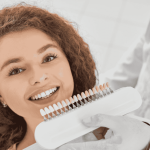
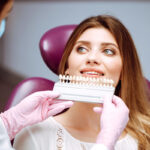
The world of clinical dentistry has seen a massive shift in recent years, moving far beyond basic oral health to prioritize high-end beauty and symmetry through aesthetic dental solutions. Today, patients no longer visit clinics solely for pain relief; they seek comprehensive transformations that align with their facial features and personal confidence goals. This increased demand for perfection has pushed medical manufacturers to develop more precise tools that allow dentists to execute complex procedures with extreme accuracy. By integrating these advanced aesthetic dental solutions into daily practice, modern clinics can now offer life-changing results that were previously unattainable with traditional manual techniques.
Digital Smile Design: Precision in Every Detail
One of the most revolutionary advancements in the industry is the rise of digital planning software, which allows for the creation of highly customized aesthetic dental solutions before any physical work begins. Using 3D intraoral scanners and high-definition imaging, practitioners can map out a patient’s entire oral structure to design a smile that is mathematically perfect yet natural in appearance. This digital-first approach ensures that the final aesthetic dental solutions, such as veneers or implants, fit flawlessly without the need for multiple painful adjustments. Such technological precision not only saves time for the clinical staff but also significantly enhances the patient’s trust in the final outcome of their aesthetic journey.
The Impact of Laser Technology on Periodontal Care
Laser systems have become an indispensable part of high-tech clinics, providing a foundation for more effective and less invasive aesthetic dental solutions. These lasers allow for precise gum contouring and tissue management, which is essential for creating the ideal “frame” for a beautiful set of teeth. Unlike traditional scalpels, laser energy minimizes bleeding and speeds up the healing process, making it much easier to move forward with the restorative phases of aesthetic dental solutions. By utilizing specific wavelengths, dentists can target only the necessary tissues, ensuring that the health of the mouth is preserved while achieving the desired visual symmetry and health-focused results.
Biocompatible Materials and Long-Lasting Results
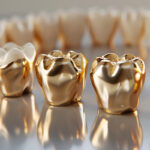
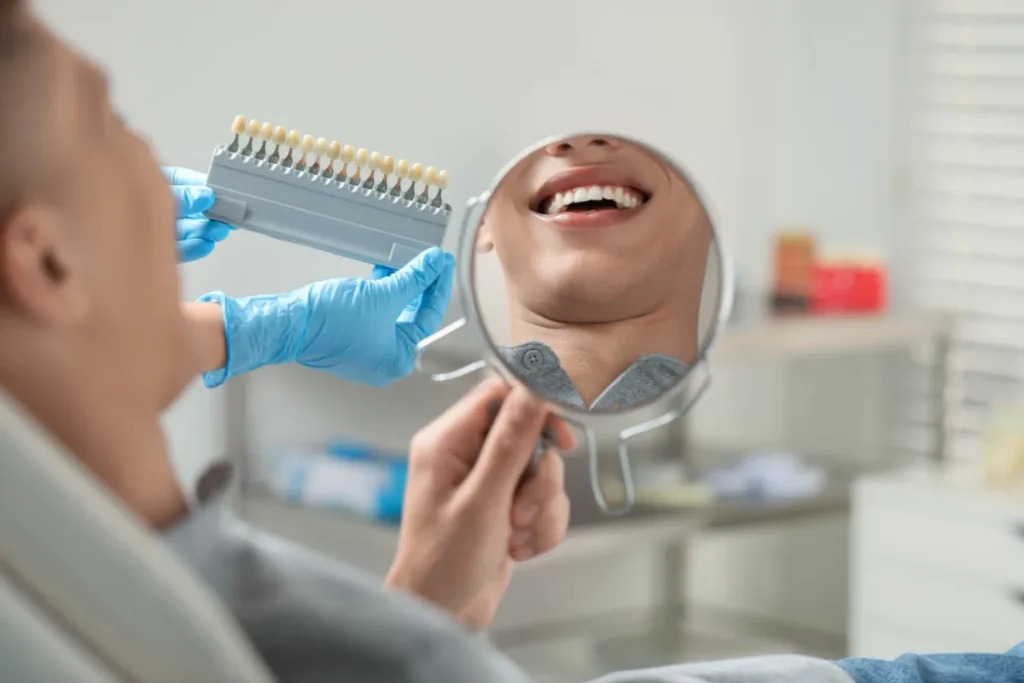
The durability of a smile makeover depends heavily on the quality of materials used, and modern aesthetic dental solutions now utilize high-grade ceramics and zircons that mimic the natural translucency of human enamel. These biocompatible materials are designed to withstand the daily pressures of chewing while maintaining their color and structural integrity for decades. Choosing the right material is a core part of providing premium aesthetic dental solutions that do not just look good on the first day but remain vibrant and functional over a lifetime. This marriage of material science and clinical art ensures that every restoration feels as natural as it looks, providing patients with a permanent boost in their self-esteem.
Enhancing Patient Comfort with Minimally Invasive Techniques
Modern clinics are focusing more than ever on the patient experience, ensuring that the path to receiving aesthetic dental solutions is as comfortable and anxiety-free as possible. Innovations in pain management and micro-instrumentation mean that many aesthetic procedures now require significantly less drilling and fewer injections than in the past. This focus on comfort is a hallmark of high-quality aesthetic dental solutions, as it encourages patients to pursue the treatments they need without the fear of traditional dental discomfort. As technology continues to advance, the gap between clinical necessity and luxury aesthetics continues to close, making professional smile enhancements a standard part of modern self-care.
Conclusion
In conclusion, the intersection of medical technology and artistic vision has created a new era where aesthetic dental solutions are more accessible and effective than ever before. From the initial digital scan to the final placement of a biocompatible restoration, every step of the process is governed by a commitment to clinical excellence and patient-centric care. Investing in the latest aesthetic dental solutions allows clinics to stay at the forefront of the industry, offering results that are as durable as they are beautiful. As we look toward the future, the continued evolution of these technologies will only further refine our ability to create perfect, healthy smiles that reflect the unique personality of every individual patient.
Frequently Asked Questions
- What are the most common aesthetic dental solutions available?
The most popular treatments include professional whitening, porcelain veneers, dental implants, and laser gum contouring. - Is digital smile design better than traditional methods?
Yes, it offers much higher precision and allows the patient to see a preview of their results before treatment starts. - How long do porcelain veneers typically last?
With proper oral hygiene and regular clinical checkups, high-quality veneers can last between ten and fifteen years. - Are modern aesthetic procedures painful?
Most procedures are minimally invasive and performed under local anesthesia or with lasers to ensure maximum patient comfort. - Can laser technology improve gum health?
Yes, lasers can effectively remove bacteria and reshaped gum tissue with minimal discomfort and faster healing times. - What makes zirconia a good material for dental crowns?
It is extremely durable, biocompatible, and has a natural appearance that blends perfectly with existing teeth. - How many visits are usually required for a smile makeover?
Depending on the complexity, most transformations can be completed in two to three visits over a few weeks. - Are aesthetic treatments suitable for everyone?
Most healthy adults are candidates, but a clinical evaluation is necessary to ensure the underlying bone and gum health are stable. - Do aesthetic dental treatments require special maintenance?
No, you should treat them like natural teeth by brushing, flossing, and visiting your dentist for regular cleanings. - Does insurance cover these types of procedures?
Coverage varies, but most insurance plans prioritize functional health over purely aesthetic enhancements, so it is best to check your specific policy.