Understanding Hair Transplantation
Hair Transplantation is a highly effective medical procedure designed to restore hair growth in areas affected by thinning or baldness. Despite its growing popularity and success, many misconceptions still surround the process. Some believe it’s painful, temporary, or unnatural-looking, while others think it’s only for men. In reality, Hair Transplantation has evolved into a safe, minimally invasive, and permanent solution for hair loss. This article separates the myths from the facts to help you make informed decisions about whether this treatment is right for you.
Hair Transplantation Is Painful
A common misconception is that Hair Transplantation is an extremely painful experience. Thanks to modern techniques and anesthesia, this couldn’t be further from the truth. During the procedure, patients experience minimal discomfort while the scalp is numbed for the extraction and implantation of follicles. Post-surgery soreness is mild and manageable with prescribed medication. In fact, many individuals who undergo Hair Transplantation describe the process as easier and less invasive than they initially expected. The focus on patient comfort and advanced tools has made the procedure virtually pain-free.
Hair Transplantation Looks Unnatural
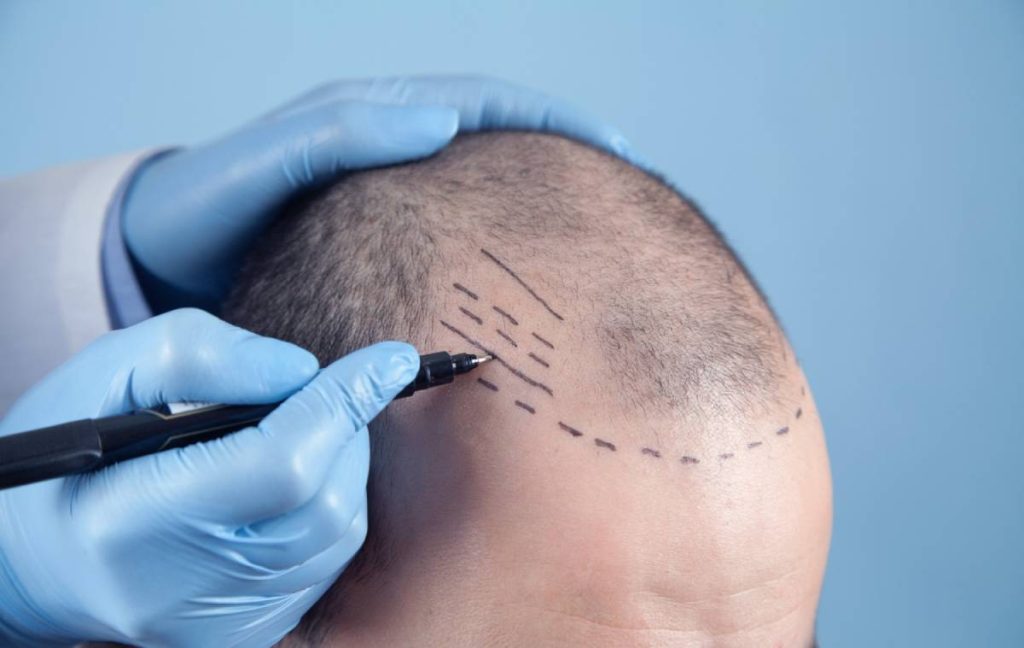
Another outdated belief is that Hair Transplantation results look artificial or obvious. This myth originates from older techniques that produced “plug-like” patterns. Today’s advanced methods, such as Follicular Unit Extraction (FUE) and Direct Hair Implantation (DHI), allow surgeons to place individual follicles with precision. These techniques ensure natural hairline design and realistic density. With proper care and a skilled surgeon, Hair Transplantation creates seamless, natural-looking results that are indistinguishable from natural hair growth. The artistry and precision of modern procedures have completely transformed outcomes.
Hair Transplantation Is Only for Men
While it’s true that men commonly undergo Hair Transplantation, women also benefit significantly from this treatment. Hair loss affects both genders due to genetics, hormonal changes, or medical conditions. For women, the goal of Hair Transplantation often includes restoring volume, filling thinning areas, or redesigning the hairline. Surgeons use the same precise techniques to achieve natural results in female patients. The procedure offers renewed confidence to anyone struggling with hair loss, regardless of gender, making it a universal solution to a widespread issue.
Hair Transplantation Gives Immediate Results
Many people believe that Hair Transplantation delivers instant results, but in reality, patience is key. After the procedure, transplanted hairs typically shed within a few weeks before new growth begins. The new follicles start producing hair after three to four months, with full results appearing around 12 to 18 months later. This timeline allows the transplanted hair to grow naturally, blending perfectly with existing hair. Therefore, while Hair Transplantation provides permanent results, achieving the final outcome takes time, dedication, and proper post-surgery care.
Hair Transplantation Is Temporary
A persistent myth claims that Hair Transplantation is a short-term solution. In fact, it offers permanent results because the transplanted hair follicles are resistant to the hormone DHT, which causes pattern baldness. Once these follicles are implanted, they continue to grow throughout your lifetime. However, maintaining healthy scalp care and following medical guidance are essential to preserving the results. With proper aftercare, Hair Transplantation delivers lifelong improvements, making it a one-time investment in self-confidence and appearance.
Hair Transplantation Requires Long Recovery
Many assume that recovery after Hair Transplantation takes months, but modern procedures have significantly reduced downtime. Most patients can return to work within a few days. Minor swelling or redness usually subsides within a week. With gentle care, the scalp heals quickly and naturally. Surgeons provide detailed aftercare instructions to ensure optimal results. The efficiency of current Hair Transplantation techniques allows for faster healing and minimal disruption to daily life, proving that this treatment is far more convenient than many believe.
Conclusion
In conclusion, Hair Transplantation is a safe, effective, and scientifically advanced solution for hair loss. Dispelling common myths helps potential patients understand the true benefits and realistic expectations of the procedure. It is neither painful nor temporary and provides natural, permanent results when performed by skilled professionals. Hair Transplantation empowers individuals to regain confidence, enhance appearance, and enjoy a lasting transformation. With continuous advancements in technology, it remains one of the most reliable treatments for restoring natural hair growth and achieving long-term satisfaction.
Frequently Asked Questions
- What is Hair Transplantation?
- Hair Transplantation is a surgical procedure that moves hair follicles from a donor area to areas affected by thinning or baldness.
- Is Hair Transplantation painful?
- No, the procedure is performed under local anesthesia, making it nearly pain-free with minimal discomfort afterward.
- How long does Hair Transplantation take?
- The procedure typically lasts between 4 and 8 hours, depending on the number of grafts required.
- When will I see results after Hair Transplantation?
- Initial growth begins after 3–4 months, with full results visible within 12–18 months.
- Are the results of Hair Transplantation permanent?
- Yes, transplanted hair is permanent and continues to grow naturally throughout your lifetime.
- Can women undergo Hair Transplantation?
- Yes, women can benefit from Hair Transplantation to restore hair density or correct thinning areas.
- Is Hair Transplantation suitable for everyone?
- Candidates should have healthy donor hair and be evaluated by a specialist to determine suitability.
- Does Hair Transplantation leave scars?
- Modern FUE and DHI techniques leave minimal or no visible scarring, unlike older methods.
- How long is the recovery period after Hair Transplantation?
- Most patients recover within a week and can resume normal activities within a few days.
- Will the transplanted hair look natural?
- Yes, when performed by an experienced surgeon, the transplanted hair grows naturally and blends perfectly with existing hair.