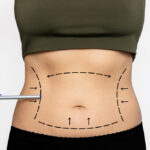

Understanding Obesity Surgery
Obesity Surgery is a medical procedure that helps individuals lose weight and improve overall health, creating a foundation for positive daily life changes. By reducing food intake or altering digestion, the surgery supports lasting results that extend far beyond physical appearance. Confidence grows as patients begin to enjoy benefits such as improved mobility, energy, and wellness. This medical solution addresses not just obesity itself but also related health issues including diabetes and hypertension. The transformation requires dedication, but it allows people to regain control of their lives. Surgery is not a quick fix but a powerful tool that, combined with new habits and support, delivers lifelong improvements in health and quality of life.
Physical Benefits in Daily Activities
After obesity surgery, patients often experience greater ease in performing daily tasks. Walking, climbing stairs, and engaging in physical activities become less challenging as weight decreases. Energy levels rise, allowing individuals to participate more fully in family life, work, and recreation. The strain on joints and muscles lessens, reducing pain and improving overall comfort. These physical improvements create independence and open opportunities for active living. Patients also notice improved sleep, better breathing, and more stamina for regular routines. These benefits extend beyond health, influencing how people approach everyday responsibilities. By regaining physical strength, individuals enjoy greater freedom and a renewed sense of control over their lives.
Emotional and Social Transformations
The emotional impact of obesity surgery is equally powerful, as patients often gain a renewed sense of self worth. The boost in self esteem helps people build stronger relationships and engage more confidently in social settings. Confidence grows with each milestone, whether it is fitting into new clothes, attending events, or exploring hobbies that once felt out of reach. Patients often experience reduced symptoms of anxiety and depression, reinforcing emotional stability. The surgery encourages personal growth and resilience, making individuals more willing to take on challenges. These emotional benefits highlight the holistic nature of the transformation, proving that the journey is not only about weight loss but also about creating balance between body and mind.
Lifestyle Changes and Responsibilities
Long term success after obesity surgery requires consistent lifestyle changes that become part of daily routines. Patients are encouraged to follow structured meal plans, focusing on smaller portions and nutrient rich foods. Discipline in maintaining these new habits ensures weight loss remains stable and sustainable. Exercise becomes a regular part of life, supporting both physical health and emotional well being. Many patients adopt new hobbies such as walking, swimming, or cooking healthier meals. These responsibilities help create a balanced lifestyle that supports wellness. Although the surgery offers an important start, dedication to lifestyle changes secures results over time. This responsibility transforms health into a daily practice rather than a short term goal.
The Role of Medical Guidance
Ongoing medical guidance is vital for patients who undergo obesity surgery. Regular checkups with doctors and nutritionists provide reassurance and help monitor progress. Support from professionals ensures patients follow safe dietary practices, take necessary supplements, and adapt to new routines. Emotional counseling is often recommended, helping patients navigate challenges and remain motivated. Medical guidance reduces the risk of complications and offers valuable tools for sustaining success. Patients who maintain strong relationships with healthcare providers gain confidence in their ability to manage long term wellness. This partnership ensures safety and stability, making medical support an essential part of the overall journey toward improved health and daily living.
The Long Term Impact on Quality of Life
The long term impact of obesity surgery reaches far beyond physical weight loss, reshaping quality of life in meaningful ways. Patients enjoy greater independence, improved career opportunities, and stronger social connections. Freedom from the limitations of obesity allows people to explore new activities, travel more comfortably, and engage fully with family and friends. The surgery provides a foundation for building healthier lifestyles that are both rewarding and sustainable. It is not only about achieving a certain number on the scale but about creating lasting improvements in physical health, mental well being, and daily satisfaction. This broader impact demonstrates why the procedure is considered life changing for many individuals.
Conclusion
In conclusion, obesity surgery transforms daily life by improving health, mobility, emotional well being, and social participation. Patients who commit to lifestyle changes and medical support enjoy lasting results that extend far beyond weight loss. Success comes from dedication, discipline, and the willingness to embrace new opportunities. The impact of surgery is not temporary but a lifelong journey toward confidence, independence, and wellness.
Frequently Asked Questions
What is obesity surgery?
It is a medical procedure designed to support long term weight loss and health improvements.
Is obesity surgery safe?
Yes, it is safe when performed by experienced professionals with proper follow up care.
How does it change daily life?
It improves mobility, energy, emotional health, and overall quality of life.
Will I need to change my diet?
Yes, patients must eat smaller portions and focus on nutritious foods.
Can I exercise after surgery?
Yes, light activities begin early and regular exercise is encouraged for long term success.
Does surgery affect mental health?
Yes, it often reduces anxiety and depression while improving self confidence.
How soon will I see results?
Weight loss begins quickly, with continued progress supported by lifestyle changes.
Will I need medical follow ups?
Yes, regular checkups are important for monitoring progress and preventing complications.
Does surgery improve health conditions?
Yes, many patients see improvements in conditions like diabetes and hypertension.
Are results permanent?
Results last when supported by consistent habits, discipline, and ongoing medical care.