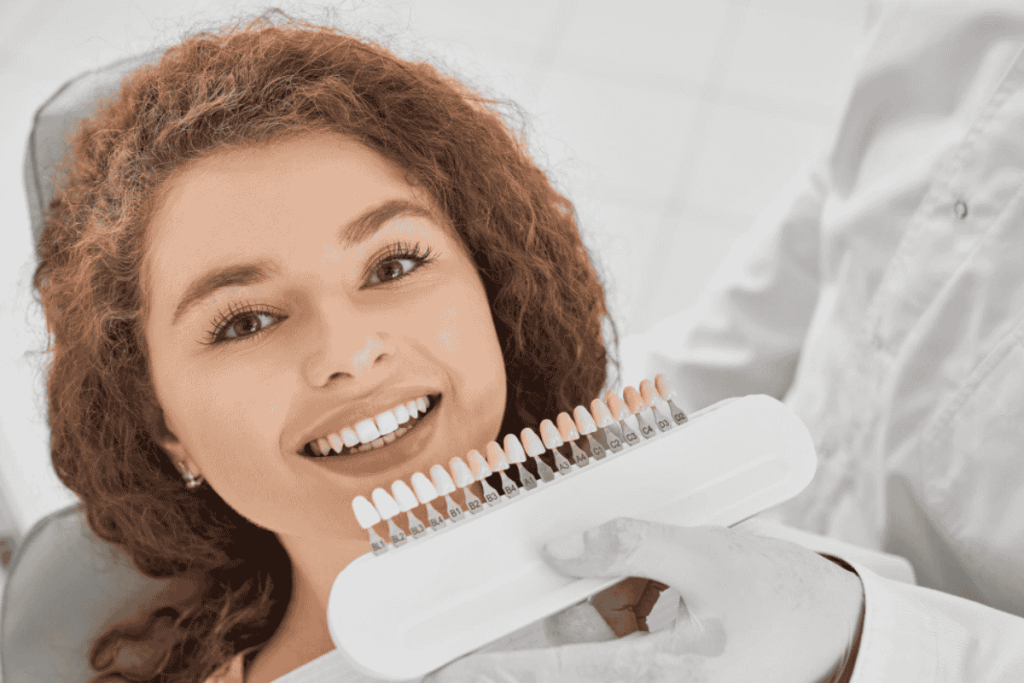
Zirconium vs. Laminate Veneers: Which One Should You Choose?
Zirconium crowns vs Porcelain veneers
When evaluating the structural integrity and aesthetic output of a smile makeover, the debate between Zirconium crowns vs Porcelain veneers often takes center stage. Zirconium options are typically preferred for patients who require significant reinforcement or have darker underlying tooth discoloration, as the material offers superior masking capabilities. On the other hand, the comparison of Zirconium crowns vs Porcelain veneers highlights that porcelain options are much thinner and require less tooth reduction, making them ideal for minor cosmetic enhancements where the original tooth structure is largely healthy.
Best veneers for a natural look
Finding the Best veneers for a natural look involves a careful analysis of how light interacts with the material, a property known as translucency. Laminate veneers, often made from E-max or high-grade ceramic, are widely considered the Best veneers for a natural look because they mimic the light-reflecting qualities of natural enamel perfectly. Because these thin shells allow some of the natural tooth color to shine through from underneath, they provide a depth and vitality that is difficult to replicate with denser, more opaque restorative materials.
The Strength and Durability Factor of Zirconium
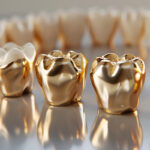
Zirconium stands out in the dental industry primarily due to its incredible fracture resistance and biocompatibility. Often referred to as ceramic steel, this material is engineered to withstand the heavy biting forces exerted by the posterior teeth, making it an excellent choice for patients who may struggle with bruxism or tooth grinding. Unlike traditional ceramics that might chip under extreme pressure, zirconium provides a robust shield that protects the underlying tooth while maintaining a polished, white appearance. Furthermore, because zirconium is a metal-free ceramic, it eliminates the risk of the dark grey line often seen at the gum margin with older metal-supported crowns, ensuring a clean and healthy aesthetic over many years of use.
The Artistic Precision of Laminate Veneers
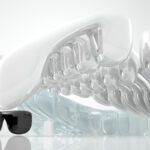
Laminate veneers represent the pinnacle of conservative cosmetic dentistry, focusing on the principle of minimal intervention. These wafer-thin shells are custom-crafted in a laboratory to fit the front surface of the teeth, allowing the dentist to correct gaps, chips, or permanent staining with very little removal of the natural enamel. This preservation of the tooth’s surface is not only better for long-term dental health but also ensures a stronger bond between the veneer and the tooth. The artistic flexibility of laminate ceramics allows dental technicians to add subtle textures and color gradients that match the surrounding teeth, making the restoration virtually indistinguishable from a natural smile.
Comparing the Preparation and Procedure Steps
The journey toward a new smile differs significantly depending on whether a patient chooses a full-coverage crown or a delicate veneer. For a zirconium restoration, the tooth must be reshaped on all sides to accommodate the thickness of the crown, which provides a total transformation but is an irreversible process. In contrast, the preparation for laminate veneers is far less invasive, sometimes requiring only a fraction of a millimeter to be shaved from the front surface. In some modern “no-prep” cases, the ceramic can even be bonded directly to the enamel without any drilling at all. Patients must weigh the benefit of total protection offered by zirconium against the conservative, tooth-saving nature of laminate porcelain.
Maintenance and Longevity of Dental Restorations
Regardless of the material chosen, the lifespan of a dental restoration is heavily dependent on the patient’s commitment to oral hygiene and regular professional maintenance. Zirconium is highly resistant to staining from coffee, tea, or tobacco, but the health of the supporting gum tissue is vital to prevent recession that could expose the edges of the crown. Similarly, while laminate veneers are incredibly strong once bonded to the tooth, they can be susceptible to debonding if subjected to unnatural forces like biting on ice or opening packaging with the teeth. With proper care, including daily flossing and the use of a nightguard if recommended, both zirconium and laminate options can provide a beautiful and functional smile for over a decade.
In conclusion, choosing between zirconium and laminate veneers is a decision that should be based on the specific condition of your teeth and your ultimate aesthetic goals. Zirconium offers unmatched strength and coverage for damaged or heavily stained teeth, while laminate veneers provide an ultra-natural and conservative solution for enhancing the shape and color of a healthy smile. By consulting with a skilled cosmetic dentist, you can determine which material aligns best with your biological needs and lifestyle, ensuring a radiant and confident smile that lasts for years.
Frequently Asked Questions
Which material is more resistant to staining?
Zirconium is highly non-porous and resistant to external stains, though high-quality porcelain used in veneers also performs exceptionally well against discoloration.
Can veneers fix crooked teeth?
Yes, veneers can correct minor misalignments and gaps, often referred to as “instant orthodontics,” though severe cases may still require braces.
Is the procedure for getting zirconium crowns painful?
The process is performed under local anesthesia, so you will not feel pain during the preparation; some minor sensitivity may occur afterward.
How long do laminate veneers typically last?
With excellent care and regular dental visits, laminate veneers generally last between ten and fifteen years before needing replacement.
Are zirconium crowns better for back teeth?
Yes, because of their extreme durability and strength, zirconium is often the preferred choice for molars that handle heavy chewing forces.
Will people be able to tell I have veneers?
Modern porcelain technology allows for such high levels of detail and translucency that they look exactly like natural teeth.
Can I get veneers if I grind my teeth?
Patients who grind their teeth can still get veneers but must wear a protective nightguard to prevent the ceramic from chipping.
Does insurance cover the cost of these procedures?
Cosmetic veneers are rarely covered, but zirconium crowns may be partially covered if they are deemed medically necessary for tooth health.
How many teeth should I get treated for a full smile makeover?
Most patients choose to treat the upper six to ten teeth that are visible when they smile for a consistent and harmonious look.
Can veneers be whitened if they get dull?
No, dental ceramics do not respond to whitening gels; however, they are designed to maintain their original shade for many years.