The Material Science Revolution in Restorative Care
The quest for the perfect smile has led to incredible advancements in the materials used for restorative dentistry. In the past, patients often had to choose between the strength of metal and the aesthetics of porcelain. Today, biocompatible materials have bridged this gap, offering solutions that are both incredibly durable and visually indistinguishable from natural teeth. These innovations have set a new standard for quality in the industry.
Modern dental clinics now prioritize materials that integrate seamlessly with the patient’s biological structures. The shift toward metal-free restorations has reduced the risk of allergic reactions and the unsightly “gray line” often seen at the gum margin. By utilizing these cutting-edge ceramics, dental professionals can ensure that every restoration contributes to a healthy, vibrant, and natural-looking appearance for the long term.
Zirconia: The Leading Choice for Modern Dental Treatment
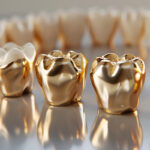
Zirconia has emerged as the “gold standard” for posterior restorations due to its exceptional fracture toughness. This crystalline material can withstand the immense pressure of chewing without cracking, making it ideal for a comprehensive dental treatment plan. Its monolithic structure means that the crown is carved from a single block, ensuring uniform strength and a perfect anatomical fit every time.
Beyond its mechanical strength, zirconia is highly prized for its bio-inert properties, meaning it does not react with oral tissues. Patients receiving this type of dental treatment benefit from a material that is gentle on the opposing teeth while maintaining its structural integrity for decades. This balance of power and biology is why zirconia remains a favorite for both dentists and patients seeking reliability.
Lithium Disilicate: Balancing Aesthetics and Function
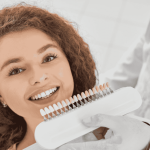
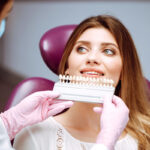
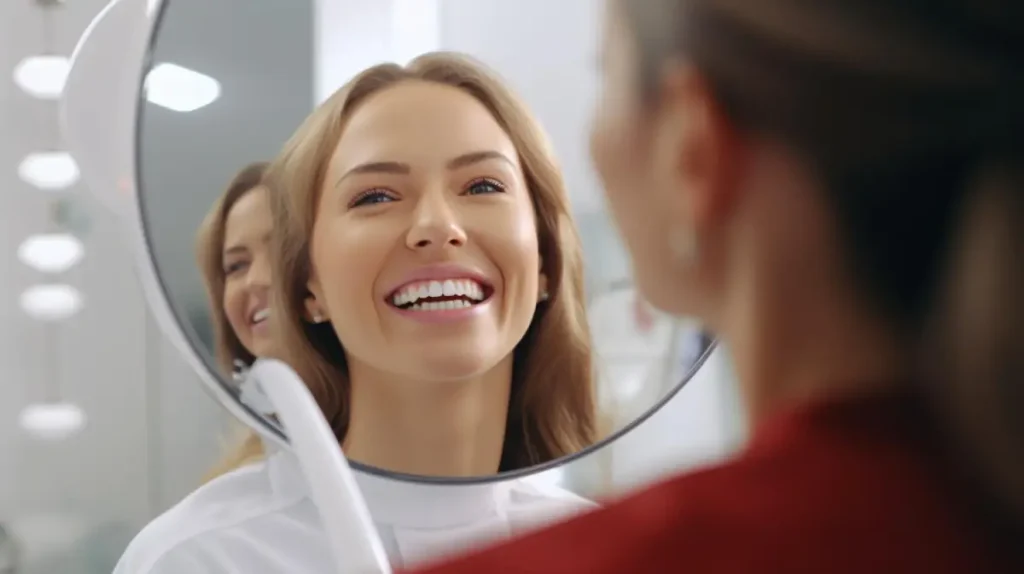
When it comes to the front of the mouth, aesthetics are the top priority. Lithium disilicate, often known by the brand name E-max, offers unparalleled translucency and color matching capabilities. This material allows light to pass through it much like natural enamel, creating a vibrant smile that looks completely real. It is the perfect choice for those undergoing a smile makeover.
While it is famous for its beauty, lithium disilicate is also surprisingly strong when bonded correctly to the tooth. This material is often shaped using high-precision technology to ensure the margins are thin and comfortable. The result is a restoration that protects the underlying tooth while providing an artistic finish that enhances the patient’s overall facial harmony and self-confidence.
Digital Precision: The Impact of Modern Dental Implements
The creation of a perfect crown is no longer a manual, trial-and-error process. The use of advanced dental implements, such as intraoral scanners, has revolutionized how dentists take impressions. These scanners create a digital 3D map of the mouth, eliminating the need for uncomfortable, messy putty. This high-tech approach ensures that the data used to create the crown is accurate to the micron.
Once the digital map is created, it is processed through CAD/CAM software to design the restoration. Specialized dental implements like high-speed milling machines then carve the crown from a solid ceramic block with robotic precision. This streamlined workflow not only improves the fit but also significantly reduces the time a patient spends in the chair, often allowing for same-day delivery.
Systemic Health Connections: Obesity Surgery and Oral Care
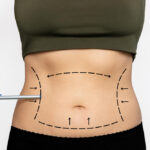
It is a well-documented fact that oral health is a reflection of the body’s systemic condition. For individuals who have undergone obesity surgery, maintaining dental health becomes a unique priority. Changes in gastric volume and nutrient absorption can sometimes lead to shifts in oral acidity or mineral levels. Therefore, ensuring that restorative work is done with high-quality materials is essential for these patients.
Protecting the teeth with durable crowns can prevent the enamel erosion sometimes associated with post-operative metabolic changes. Patients recovering from obesity surgery should work closely with their dentist to monitor their oral pH levels and mineral density. A proactive approach ensures that the patient’s new, healthier lifestyle is supported by a strong and functional set of teeth for optimal nutrition.
Guided Procedures: Ensuring a Seamless Patient Experience
Patient comfort is at the heart of modern clinical excellence. By utilizing minimally invasive techniques, dentists can prepare a tooth for a crown while preserving as much of the natural structure as possible. This approach leads to reduced sensitivity and a much faster recovery time for the patient. The goal is always to provide a treatment that feels as natural as it looks.
Furthermore, the use of computer-guided surgery and diagnostic imaging allows for predictable outcomes before the procedure even begins. Patients can view a digital simulation of their final result, which helps in aligning expectations and building trust. This level of transparency and technological sophistication defines the premium experience provided by top-tier dental clinics around the world today.
Sustainability and Longevity of High-End Crown Materials
Investing in a high-quality crown is an investment in your future. Modern ceramics are designed to be stain-resistant and highly durable, ensuring that your smile stays bright for years to come. With proper preventive maintenance and regular checkups, these restorations can last a lifetime, providing excellent value for the patient. Longevity is a key hallmark of superior material selection.
Professional cleanings and the use of non-abrasive polishing pastes help maintain the luster of the ceramic surface. By choosing premium restorations, patients avoid the costs and discomfort associated with frequent replacements. A healthy, beautiful smile is a sustainable asset that contributes to overall well-being, social confidence, and a higher quality of life for every individual.
Conclusion
Understanding the science behind modern dental crowns reveals a world where technology and biology work in perfect harmony. From the incredible strength of zirconia to the artistic translucency of lithium disilicate, the materials available today offer uncompromising quality for every patient. The integration of advanced dental implements ensures that these materials are shaped with a level of precision that was once impossible. Furthermore, recognizing the links between oral health and systemic events like obesity surgery underscores the importance of a holistic approach to care. By choosing a clinic that prioritizes these high-end materials and digital workflows, you are ensuring a dental treatment that is safe, comfortable, and aesthetically perfect. A confident smile is backed by science, and modern dentistry has finally unlocked the secret to making that smile last a lifetime.
Frequently Asked Questions
1. Which crown material is the most durable?
Zirconia is currently considered the most durable metal-free material, making it the top choice for teeth that handle heavy chewing forces.
2. Can dental implements make the procedure faster?
Yes, dental implements like intraoral scanners and milling machines allow for digital workflows that can sometimes complete a crown in a single visit.
3. Why do I need a crown after obesity surgery?
If metabolic changes lead to enamel thinning, a crown can provide a protective shield to prevent further decay and maintain your ability to eat nutritiously.
4. Will a modern crown look different from my other teeth?
No, modern ceramics are color-matched and designed with translucency to ensure they blend perfectly with your surrounding natural teeth.
5. Is the dental treatment for a crown painful?
With painless anesthesia and minimally invasive preparation techniques, the process is very comfortable and involves minimal downtime for the patient.