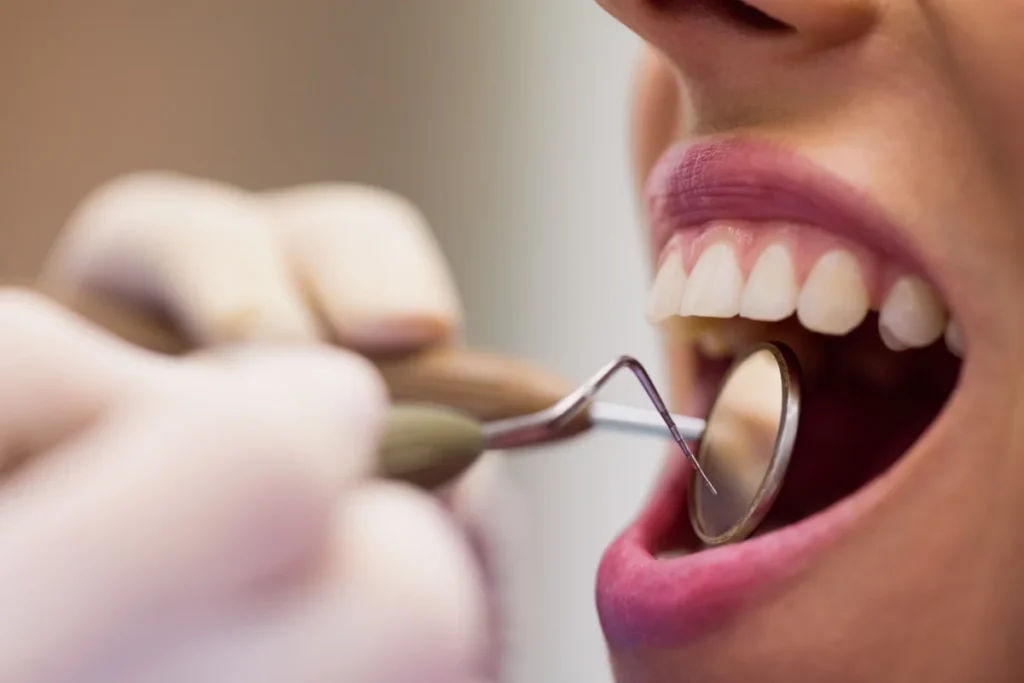
Investing in modern oral care means understanding how the evolution of the dental implement has revolutionized clinical precision and patient comfort.
Gone are the days of tedious, painful diagnostics and rough manual adjustments.
Before choosing a clinic, learning how each sophisticated dental implement performs during treatment can help ease your recovery anxieties.
Table of Contents
- The Evolution of the Smart Dental Implement
- 1. 3D Intraoral Scanners: High-Speed Tooth Mapping
- 2. Advanced Soft-Tissue Lasers: Painless Tissue Contouring
- 3. Computer-Guided Navigation: Surgical Drilling Templates
- 4. Smart Chairs and Interactive Treatment Delivery Units
- Comparing Modern Clinical Innovations
- Frequently Asked Questions (FAQ)
The Evolution of the Smart Dental Implement
The integration of digital dentistry represents a fundamental shift in how dental practitioners handle diagnostics and surgeries.
By connecting advanced computational software with specialized hardware, the modern clinical room functions as a unified digital ecosystem.
According to safety updates published by the American Dental Association, replacing analog techniques with digitized workflows increases procedural predictability and clinical hygiene.
1. 3D Intraoral Scanners: High-Speed Tooth Mapping
The digital intraoral scanner is an essential dental implement that replaces uncomfortable, messy physical molds.
This handheld wand projects structured light patterns to capture micron-level geological data of your dentition within seconds.
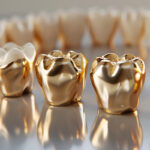
The resulting 3D digital file can be shared immediately with laboratories, dramatically accelerating the manufacturing of custom porcelain crowns, veneers, and bridges.
2. Advanced Soft-Tissue Lasers: Painless Tissue Contouring
Additionally, the soft-tissue laser serves as a highly precise dental implement during advanced gum contouring.
Instead of traditional steel scalpels, clinical lasers use targeted light wavelengths to excise tissue while instantly cauterizing blood vessels.
According to biological and health studies published on the National Institutes of Health archive, minimizing surgical trauma decreases post-operative edema and speeds up cellular recovery.
This ensures that gum contouring, pocket therapies, and minor surgeries can be performed virtually pain-free and without stitches.
3. Computer-Guided Navigation: Surgical Drilling Templates
Computer-guided surgery utilizes a custom surgical template as a crucial dental implement to guide titanium posts into place.
Dentists merge intraoral scans with Cone Beam Computed Tomography (CBCT) 3D X-rays to visualize underlying bone density and nerve tracts.
The surgical template is then 3D-printed with dedicated guide-holes, ensuring implants are angled exactly as planned to protect adjacent biological structures.
To explore how advanced medical platforms coordinate these overseas treatments safely, check out our guide on global health solutions and VIP patient logistics.
4. Smart Chairs and Interactive Treatment Delivery Units
Furthermore, integrating app-controlled elements into every modern dental implement ensures automated ergonomic positioning.
Contemporary dental chairs function as advanced patient-support platforms featuring touch-screen memory configurations, integrated electric suction, and dual LED lighting.
These interactive delivery systems allow dentists to adjust clinical parameters, micro-motor speeds, and surgical irrigation protocols dynamically.
This automated synchronization reduces chairside procedural delays, creating a relaxed and highly efficient atmosphere for patients and doctors alike.
Comparing Modern Clinical Innovations
This helpful comparative table showcases how each key dental implement enhances modern therapeutic outcomes.
By analyzing their specific functions and target applications, you can better understand how these advancements support your healing journey.
| Dental Implement | Core Technological Function | Direct Patient Benefit | Precision Level |
|---|---|---|---|
| Intraoral 3D Scanners | Visual mapping of oral topography | Eliminates gag-inducing putty impressions | 99.5%+ geometric mapping accuracy |
| Soft-Tissue Lasers | Targeted energy tissue excision | Less pain, no bleeding, rapid healing | Micron-scale cutting precision |
| Surgical Templates | 3D printed physical drill alignment guides | Safer implant placement, shorter surgery times | Fully matches pre-planned digital templates |
| Interactive Chairs | Sensory and anatomical movement tracking | Reduced back strain, stress reduction | Automated clinical configurations |
Frequently Asked Questions (FAQ)
A1: The intraoral digital scanner is currently the most widespread clinical implement. It serves as the baseline gateway for almost all aesthetic smile designs, allowing doctors to construct digital tooth models with over 99.5% geometric accuracy.
A2: Unlike traditional surgical blades, lasers cauterize blood vessels and seal nerve endings concurrently while cutting. This eliminates bleeding, reduces postoperative swelling, and minimizes the risk of local infection.
A3: Yes, digital implements eliminate the dimensional instability and material warping common in traditional putty molds. This precise data ensures that crowns, bridges, and implant prosthetics fit seamlessly on your first try.