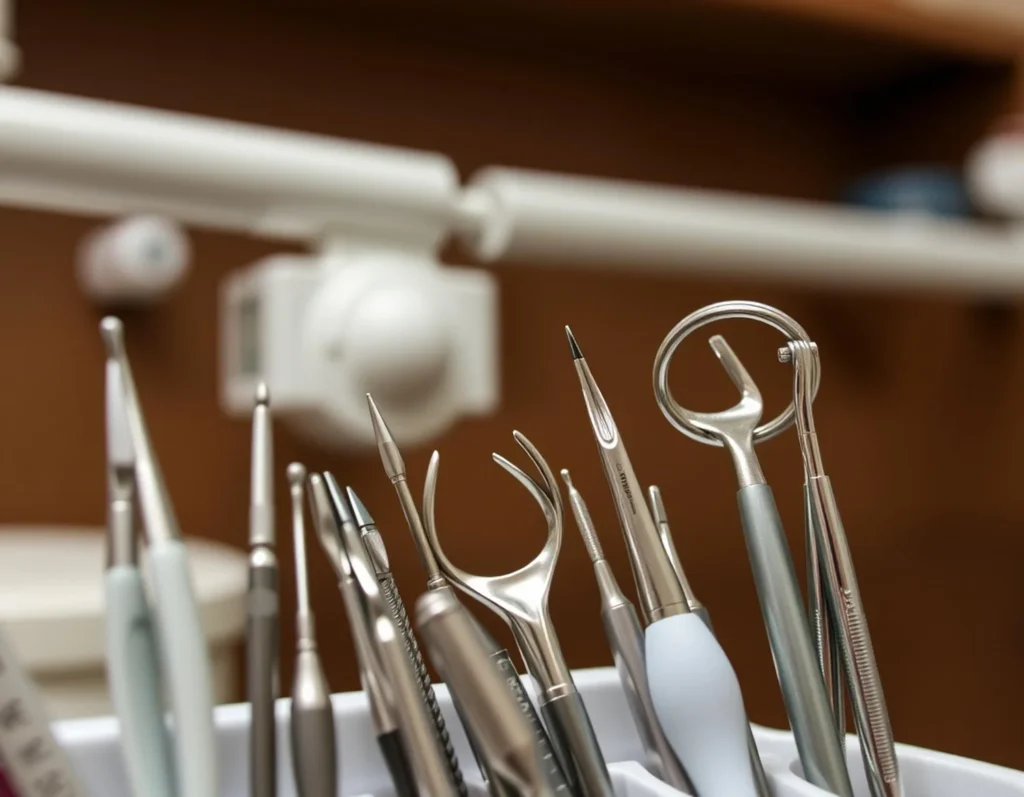
Entering a contemporary clinical environment for oral rehabilitation often reveals an intricate world of technical orchestration, biological integration, and advanced craftsmanship. For patients navigating the global healthcare ecosystem, understanding the tools, techniques, and safety frameworks behind their care is the ultimate way to build peace of mind. Achieving a healthy smile is a complex anatomical process that relies heavily on precision design and specialized manufacturing. When clinics utilize state-of-the-art Dental Implements, the predictability of your treatment increases exponentially, ensuring that every crown, bridge, or biocompatible foundation integrates flawlessly into your natural facial architecture.
The Evolution of Modern Diagnostic Tools in Advanced Oral Medicine
The transition from traditional dentistry to digital-first oral rehabilitation has completely revolutionized how clinical specialists analyze human anatomy. When structural decay, localized bone loss, or physical trauma compromises a patient’s bite profile, creating a lasting recovery plan requires deep scientific evaluation. Modern clinics have replaced superficial examinations with advanced digital pipelines that build a flawless three-dimensional digital twin of the patient’s mouth before any active physical work begins.
High-resolution cone-beam computed tomography represents the gold standard of contemporary oral diagnostics. This technology allows dental surgeons to map underlying alveolar bone thickness, track delicate nerve pathways, and identify structural sinus boundaries with sub-millimeter precision. By integrating this imaging data with digital facial scanning software, the restorative team can design a comprehensive surgical template tailored to the patient’s exact biomechanical needs. This digital diagnostic framework ensures that subsequent physical steps avoid critical soft tissue structures, minimizing post-operative swelling and establishing a stable foundation for lifelong functional balance.
Preparing for these comprehensive treatments involves a highly structured patient management pipeline. The expert medical planners at FlashCureMed.com outline a detailed pre-operative checklist for international guests, encompassing strict hematological evaluations, systemic inflammation controls, and customized nutritional counseling. Eradicating active periodontal bacteria prior to initiating definitive prosthetic work is absolutely mandatory to prevent sub-gingival contamination, reduce local bleeding risks, and provide a perfectly clean operating theater for optimal biological adaptation.
How Specialized Restorative Technology Dictates Clinical Success
Achieving a perfect occlusal fit requires an absolute commitment to microscopic precision during both the surgical and laboratory production phases. Traditional, uncomfortable elastomeric impression putties have been rendered obsolete by high-speed intraoral digital scanners. These sophisticated wand-like devices capture thousands of high-definition surface images per second, creating an immaculate interactive model of the dental arches that can be transmitted instantly to digital milling laboratories.
Furthermore, contemporary operating suites utilize automated manufacturing systems to craft custom dental prosthetics from solid blocks of medical-grade zirconia or layered ceramic composites. The systematic integration of specialized Dental Implements, such as high-frequency ultrasonic surgical units, automated crown milling machines, and computer-guided placement sleeves, removes human error from the therapeutic pipeline. By utilizing gentle, high-frequency kinetic vibrations instead of heavy manual bone drills, clinicians can sculpt hard tissues while leaving surrounding blood vessels completely untouched, which fundamentally shortens local recovery windows and enhances patient comfort.
Biocompatible Foundations and Osseointegration Milestones
When a natural tooth is extracted, the empty alveolar ridge naturally begins to resorb due to the permanent absence of mechanical chewing forces. Modern restorative care solves this physiological problem through the placement of biocompatible titanium or ceramic fixtures. These engineered roots bond directly with the living bone matrix over three to six months, creating an unshakeable base capable of withstanding maximum biting pressures while preserving the patient’s natural jaw contours for decades to come.
Complementary Specialized Interventions: Obesity Surgery and Hair Transplantation
For a growing number of global travelers, restoring functional oral health represents just one milestone within a comprehensive, life-changing personal wellness strategy. When chronic metabolic challenges or progressive hair thinning impact your systemic quality of life alongside dental wear, understanding how different medical specialties coordinate allows you to design a highly efficient, safely paced health roadmap.
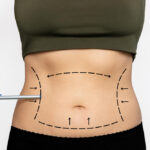
Reversing severe metabolic imbalance often forms the foundational layer of total body restoration. When conventional weight management strategies fail to produce lasting systemic benefits, undergoing a targeted Obesity Surgery provides a definitive clinical path to recalibrate gastrointestinal geometry and regulate hunger-signaling hormones. Procedures such as a laparoscopic sleeve gastrectomy reduce overall stomach capacity by roughly eighty percent, restricting mechanical volume while significantly dropping the production of ghrelin, the primary hormone responsible for triggering appetite signals. This profound structural shift leads to rapid, sustained weight management, which effectively mitigates secondary conditions like type two diabetes and hypertension, thereby optimizing your immune system and enhancing the body’s natural healing capacity for subsequent elective procedures.
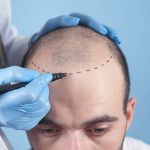
In the same manner, achieving comprehensive facial youthfulness frequently involves addressing advanced pattern baldness through micro-surgical innovations. A modern Hair Transplantation procedure relies on relocating healthy, DHT-resistant follicular units from the dense occipital donor zone directly to areas experiencing genetic alopecia. Utilizing advanced clinical strategies like Sapphire Follicular Unit Extraction or Direct Hair Implantation, surgical teams extract and place individual hair roots with microscopic accuracy. Because these techniques afford the clinician absolute control over the depth, insertion angle, and directional orientation of every single graft, the resulting hairline blends invisibly with your natural growth, providing a permanent and natural-looking result that restores self-confidence.
Strategic Implementation of Your Multi-Specialty Travel Itinerary
Structuring an international medical journey that spans distinct clinical fields requires precise logistical orchestration, deep medical expertise, and an uncompromising dedication to patient safety. Maintaining strict, evidence-based healing intervals between unrelated surgical interventions is absolutely vital to protect your immune system and guarantee successful recovery across all treatment sites.
For example, major bariatric procedures require complete systemic stabilization, metabolic balancing, and stable blood panels before a patient can safely move forward with extensive outpatient dental restructuring or elective follicular placement sessions. The dedicated patient care teams at FlashCureMed.com excel at creating custom, safely human-paced travel itineraries that honor your body’s natural biological recovery speed. By combining elite hospital facilities, luxury hotel accommodations, and private VIP ground transportation networks, international guests can relax completely and focus entirely on experiencing a seamless, stress-free, and profoundly transformative wellness journey.
Frequently Asked Questions
What specific advantages do digital intraoral scanners offer compared to traditional dental molds?
Digital intraoral scanners completely eliminate the discomfort, gagging reflex, and messy cleanup associated with traditional silicone or alginate impression putties. The sleek, wand-like scanner captures highly accurate three-dimensional digital data in seconds, allowing for real-time visualization, instant lab transmission, and the creation of custom prosthetics with micron-level margin accuracy.
How long should a patient wait to travel internationally following an extensive dental implant procedure?
For standard dental implant placements, an international stay of five to seven days is highly recommended. This allows your clinical team to perform crucial post-operative evaluations, monitor soft tissue healing, and make any necessary adjustments to temporary prosthetics before you clear your travel schedule for departure.
Is it common to experience hair shedding after a hair restoration session?
Yes, temporary hair shedding typically occurs between two to four weeks following the procedure. This is a completely natural biological response known as shock loss, where the hair shaft sheds while the root enters a temporary resting phase. New, permanent hair growth begins to break through around the fourth month, with final density achieved at the one-year mark.
How does FlashCureMed.com manage language support and local logistics for traveling patients?
We provide a fully integrated personal care network that completely removes travel-related stress. Every guest is paired with a dedicated bilingual medical coordinator who manages clinic schedules, translates complex medical details, and provides constant support. Additionally, our care packages feature private VIP transfers between the airport, your luxury hotel, and the clinical center, ensuring a smooth journey throughout your stay.