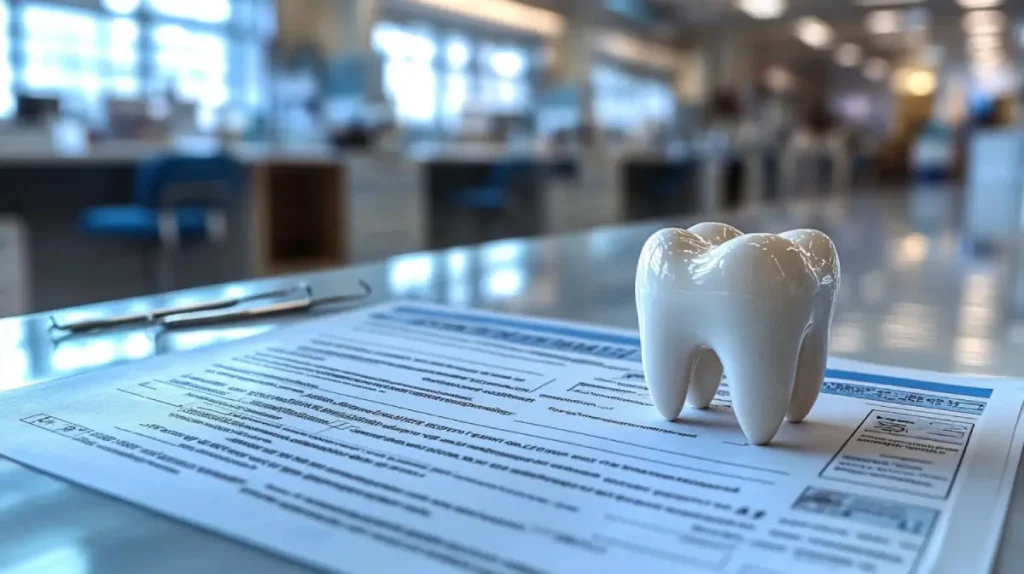
The Revolution of Restorative Care in Modern Dentistry
A smile is often the first thing people notice, acting as a cornerstone of personal confidence and social interaction. For those dealing with damaged or missing teeth, dental crowns have long been the standard solution to restore both function and aesthetics. However, the materials and methods used today have evolved far beyond the bulky, unnatural options of the past. Modern dental treatment now focuses on creating restorations that are indistinguishable from natural teeth while ensuring maximum durability.
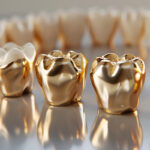
The shift toward high-translucency zirconia and lithium disilicate (E-max) has allowed clinicians to mimic the light-reflecting properties of natural enamel. This level of detail ensures that your restoration does not just fill a gap but enhances your overall facial harmony. With a focus on biocompatibility and strength, these new-age crowns provide a long-lasting solution for patients. Investing in high-quality restorative care is the first step toward achieving a radiant and healthy smile.
Precision Accuracy Through Advanced Dental Implements
The success of a dental crown depends heavily on the precision of the preparation and the fit. This is where state-of-the-art dental implements play a crucial role in the modern operatory. High-speed electric handpieces and ultrasonic scalers allow dentists to prepare the tooth structure with incredible accuracy, preserving as much healthy enamel as possible. This conservative approach to dentistry minimizes sensitivity and ensures a stronger bond for the final crown.
Beyond preparation, the tools used for finishing and polishing have also seen significant upgrades. Fine-grit diamond burs and specialized polishing kits allow for a smooth-as-glass finish, which prevents plaque accumulation and gum irritation. When a dentist utilizes the latest dental implements, the procedure becomes faster, quieter, and much more comfortable for the patient. Technology has effectively removed the traditional “fear factor” associated with restorative clinical procedures.
Digital Impressions: A New Standard for Patient Comfort
One of the most significant innovations in any dental treatment involving crowns is the move away from traditional putty impressions. Intraoral scanners have replaced the messy, gag-inducing trays with a sleek, digital wand that captures thousands of images per second. These images are stitched together to create a highly accurate 3D model of your teeth and gums. This digital workflow ensures that the final crown fits perfectly with minimal adjustments needed.
This data is often sent to a CAD/CAM (Computer-Aided Design and Manufacturing) system, which can even mill the crown right in the office. This “same-day” capability means patients no longer have to wear temporary crowns for weeks. The efficiency of digital dentistry not only saves time but also provides a level of predictable excellence that traditional methods simply cannot match. Patients can now walk in with a broken tooth and leave with a permanent, beautiful smile.
The Systemic Connection: Dental Health and Obesity Surgery
It is increasingly recognized that oral health is deeply connected to overall systemic wellness. For patients considering or recovering from obesity surgery, maintaining a healthy mouth is a high priority. Bariatric procedures can sometimes lead to changes in stomach acid levels or nutritional absorption, which can impact the strength of tooth enamel. Addressing these issues with protective crowns or preventive care is essential for long-term success.
Furthermore, chronic oral inflammation can put a strain on the body’s immune system, potentially slowing down the recovery process after major medical events like obesity surgery. A proactive dental treatment plan helps eliminate infections and ensures the body is in an optimal state for healing. By integrating oral care into a holistic health strategy, patients can enjoy better outcomes both in their weight loss journey and their dental longevity. A healthy body truly begins with a healthy mouth.
Minimally Invasive Techniques and Gum Health
Modern crown placement is no longer just about the tooth; it is about the health of the surrounding gingival tissue. New dental implements, such as soft-tissue lasers, allow dentists to contour the gum line with extreme precision and minimal bleeding. This ensures that the margin of the crown—the point where it meets the gum—is perfectly placed for optimal hygiene and a natural look. When the gums are healthy, the crown looks like it is naturally emerging from the jaw.
Minimal invasiveness also means less post-operative discomfort. Modern techniques focus on painless anesthesia delivery and gentle tissue handling, which speeds up the healing process significantly. Patients are often surprised at how quickly they can return to their normal diet and activities. The goal of a modern dental treatment is to provide a solution that feels so natural, you completely forget it is even there.
Durability and Longevity of Modern Restorations
When a patient receives a crown, they want to know that their investment will last for many years. Innovations in material science have led to crowns that are virtually resistant to chipping and wear. These materials are tested using robotic dental implements that simulate years of chewing in a matter of days, ensuring they can withstand the rigors of daily use. Whether you are enjoying a crunchy apple or a steak, your restored teeth are up to the task.
Proper home care, combined with professional cleanings, can extend the life of these crowns indefinitely. Dentists now use specialized sensors to check the “bite” or occlusion with micron-level accuracy, ensuring that no single tooth is taking too much pressure. This balanced approach prevents future fractures and jaw pain. A well-maintained crown is a testament to the synergy between expert skill and advanced engineering.
Conclusion
In summary, the world of restorative dentistry has been transformed by a fusion of high-end materials and cutting-edge technology. From the aesthetic perfection of zirconia crowns to the surgical precision offered by modern dental implements, patients now have access to care that is faster, safer, and more beautiful than ever before. The importance of oral health extends beyond the smile, playing a vital role in systemic health, especially for those undergoing obesity surgery. By choosing a dental treatment that utilizes digital workflows and minimally invasive techniques, you are choosing a path toward a more confident and healthy life. Embracing these innovations allows you to smile with pride, knowing your oral health is supported by the best tools available in the modern age. Your journey to a perfect smile is now more accessible and comfortable than ever.
Frequently Asked Questions
1. How long does it take to get a modern dental crown?
With CAD/CAM technology, many clinics can now offer same-day crowns, completing the entire process from scan to placement in just one visit.
2. Does getting a crown hurt with modern dental implements?
No, modern numbing techniques and advanced tools ensure the procedure is virtually painless, with most patients feeling only minor pressure.
3. Can I get a crown if I am planning obesity surgery?
Yes, it is often recommended to complete your dental treatment beforehand to ensure your mouth is free of infection and ready for the recovery phase.
4. How do I know if I need a crown or a filling?
A crown is typically used when a tooth is too damaged for a filling to provide structural support; your dentist will use digital imaging to decide the best path.
5. Are modern dental crowns noticeable?
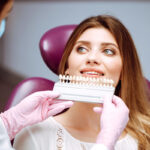
Not at all. Modern materials are color-matched to your surrounding teeth, ensuring a seamless and completely natural appearance in any lighting.