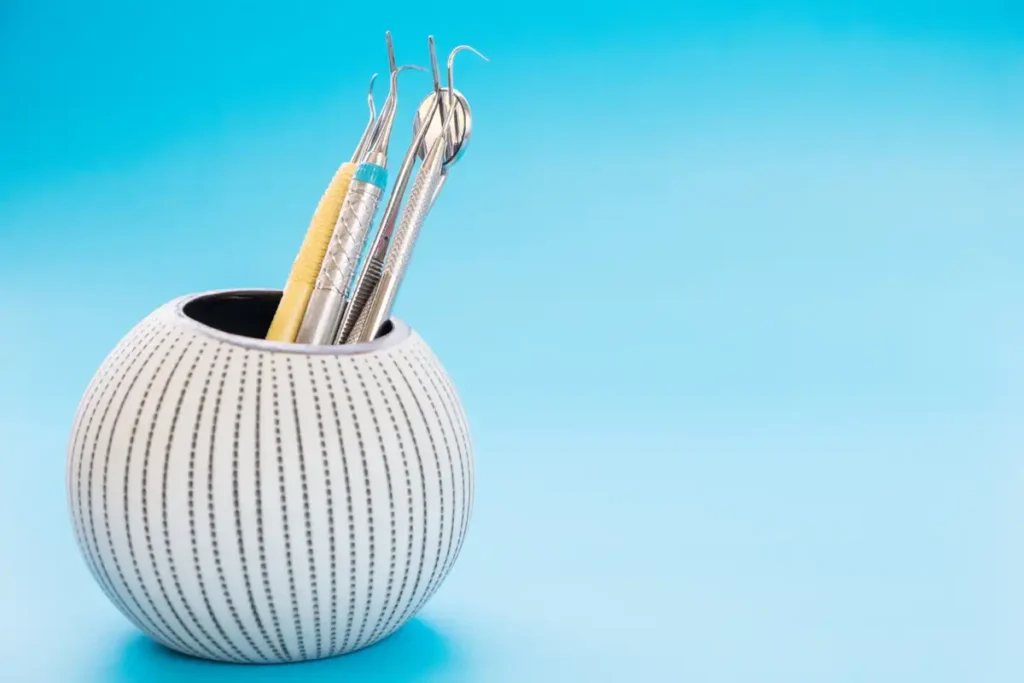
Stepping into a modern clinical facility can instantly evoke mixed emotions, ranging from mild curiosity to deep-seated anxiety about physical discomfort. Behind every quiet examination room and every successful restorative transformation lies an intricate world of specialized tools designed to deliver extreme surgical precision. While patients usually focus on the final visual outcome, medical professionals know that high-grade Dental Implements form the true backbone of accurate diagnoses, minimal tissue trauma, and overall patient safety. Understanding the sophisticated equipment shaping today’s clinical environments offers fascinating insight into modern oral healthcare standards.
The practice of oral care has evolved far beyond traditional diagnostic mirrors and basic hand instruments. Today, state-of-the-art clinics integrate ergonomic manual tools with cutting-edge digital devices to refine every single phase of patient care. At Flash Cure Med, we believe that pairing top-tier clinical mastery with exceptional equipment ensures that every diagnostic evaluation and restorative procedure proceeds with absolute accuracy and maximum physical comfort.
The Evolution of Precision Clinical Equipment
To fully appreciate contemporary standards in healthcare, one must consider how drastically clinical instruments have advanced over recent decades. Historical practices often relied on heavy, rigid metal tools that caused unnecessary vibration, prolonged chair time, and elevated patient stress. Modern manufacturing focuses heavily on lightweight titanium alloys, high-grade surgical stainless steel, and diamond-coated working tips that guarantee long-term durability and surgical finesse.
Furthermore, the integration of micro-endodontic optics and ultrasonic scaling systems has transformed how clinicians handle complex biological structures. By utilizing ultra-precise Dental Implements, clinical specialists can now target micro-fractures, localized bacterial deposits, and deep root canals while completely preserving surrounding healthy bone and soft tissue.
Essential Instrument Categories in Contemporary Care
A comprehensive clinical setup relies on a vast array of specialized instruments, each engineered for distinct biological tasks. Categorizing these tools highlights the multi-layered nature of professional oral care.
Diagnostic and Exploratory Tools
Accurate treatment always begins with precise exploration. Front-surface intraoral mirrors eliminate double-image distortion, allowing specialists to inspect hard-to-reach lingual surfaces clearly. High-sensitivity periodontal probes feature laser-etched millimeter markings that allow clinicians to measure soft tissue pocket depths accurately, spotting early signs of periodontitis before irreversible bone loss occurs.
High-Speed Restorative and Surgical Handpieces
Modern restorative care depends heavily on electric micro-motors and air-driven handpieces operating at incredible rotational speeds. Fitted with precision diamond burs, these tools enable gentle enamel preparation without generating excessive friction heat that could damage sensitive tooth pulp. Ultrasonic scalers, operating at high acoustic frequencies, gently break down hardened calculus deposits while flushing the working field with sterile antimicrobial solutions.
Advanced Surgical and Periodontal Instruments
For complex procedures like root canal therapy, bone grafting, or tissue contouring, specialized surgical steel elevators, periosteal retractors, and micro-curettes take center stage. Ultra-flexible nickel-titanium (NiTi) endodontic files conform effortlessly to curved root canals, ensuring thorough bacterial clearance while drastically reducing the risk of instrument separation inside delicate tooth roots.
How Specialized Equipment Elevates Patient Comfort
For decades, dental anxiety has prevented millions of individuals from seeking timely care. A significant portion of this apprehension stems from noisy equipment, sharp physical pressure, and lengthy appointments. Fortunately, modern instrument design directly dismantling these psychological barriers by placing patient comfort at the forefront.
- Noise Reduction Engineering: Contemporary electric handpieces operate with minimal acoustic decibels, replacing harsh whining sounds with soft, low-vibration performance.
- Minimally Invasive Conservation: Micro-fine burs and piezo-electric surgical tips allow specialists to remove decayed tissue with extreme precision, leaving healthy enamel entirely intact.
- Enhanced Ergonomic Control: Lightweight, textured handles reduce operator hand fatigue, translating to steadier movements, shorter chair times, and smoother clinical outcomes.
Sterilization and Biological Safety Standards
While the mechanical performance of clinical tools is paramount, biological safety remains the non-negotiable cornerstone of reputable care. Every reusable instrument passes through a rigorous, multi-stage infection control workflow to eliminate cross-contamination risks entirely.
Following patient care, instruments undergo automated ultrasonic bath cleaning to remove microscopic biological debris. Next, tools are individually sealed in medical-grade sterilization pouches and subjected to high-pressure thermal steam inside Class B autoclaves. This systematic sterilization process guarantees that every device touching your oral tissue is completely sterile, maintaining the highest international hygiene protocols.
Integrating Ergonomics with Modern Technology
The synergy between ergonomic design and digital technology represents the future of specialized care. High-definition intraoral cameras now work hand-in-hand with physical diagnostic tools, projecting real-time magnified images onto chairside screens. Patients no longer have to guess what their clinician sees; they can observe structural fractures, subsurface decay, and plaque buildup clearly.
At Flash Cure Med, we continuous invest in state-of-the-art diagnostic technology and premium instruments. This commitment to clinical excellence ensures that our patients experience swift diagnostic clarity, minimal discomfort, and highly durable aesthetic and functional outcomes.
Essential Home Care Strategies to Protect Your Oral Health
While clinical instruments repair damage and restore structural strength, your daily home hygiene habits determine the long-term longevity of your teeth and restorations. Partnering proper clinical care with disciplined home habits forms an unbreakable defense against oral disease.
- Use Soft-Bristled Electric Toothbrushes: Gentle electric brush heads remove soft plaque far more effectively than manual scrubbing, protecting fragile gum margins from abrasive wear.
- Incorporate Daily Interdental Cleaning: Standard toothbrush bristles cannot reach tight interproximal spaces. Using interdental brushes or water flossers daily clears hidden bacterial reservoirs.
- Select Non-Abrasive Pastes: Choose fluoride or hydroxyapatite toothpastes with low Relative Dentin Abrasivity (RDA) scores to maintain smooth enamel surfaces and prevent micro-scratches on crowns.
- Schedule Regular Bi-Annual Inspections: Routine clinical examinations allow specialists to check the integrity of past restorations using professional diagnostic probes before small issues expand.
Why Medical Expertise and Quality Equipment Go Hand in Hand
Even the most advanced instrument remains merely a tool without the skilled hands of an experienced specialist. Diagnostic accuracy, gentle tissue handling, and beautiful aesthetic outcomes depend directly on combining high-grade equipment with deep clinical knowledge and artistic vision.
Choosing an accredited facility guarantees that your care plan relies on safe, modern technology and evidence-based protocols. The patient-first philosophy at Flash Cure Med brings together top-tier medical specialists, uncompromising hygiene standards, and cutting-edge clinical tools to deliver a smooth, comforting, and transformative care experience.
Frequently Asked Questions
Why do clinicians use different metallic tools during a routine cleaning?
Each instrument serves a unique biological purpose. Curved hand scalers and curettes are specifically angled to remove hardened calculus from flat enamel surfaces and beneath delicate gum margins, while ultrasonic tips use micro-vibrations to loosen stubborn tartar quickly without damaging natural tooth enamel.
How do modern clinical handpieces reduce pain during decay removal?
Contemporary electric handpieces maintain consistent rotational speed and torque while continuously releasing cool water spray directly onto the working area. This continuous irrigation prevents heat buildup inside the tooth structure, minimizing nerve irritation and reducing sensitivity significantly.
What is the difference between diagnostic probes and exploratory tools?
An explorer tool features a fine, flexible tip used to detect soft enamel, subsurface decay, and rough restoration margins by touch. A periodontal probe, on the other hand, features a blunt, rounded tip with clear millimeter gradations designed to measure the depth of space between your teeth and gums safely without puncturing tissue.
Are high-tech instruments completely safe for sensitive gums and teeth?
Yes, modern instruments are specifically engineered with rounded contours, ultra-smooth surfaces, and adjustable power settings. When operated by trained specialists, these tools deliver ultra-gentle care tailored precisely to your specific tissue sensitivity level.
Investing in your oral vitality is one of the most fulfilling steps you can take for your overall health, confidence, and quality of life. By seeking care at facilities that prioritize state-of-the-art technology, meticulous infection control, and patient-centered comfort, you guarantee a safe, painless, and rewarding experience. Contact Flash Cure Med today to schedule your comprehensive evaluation and experience modern, high-precision oral care firsthand.