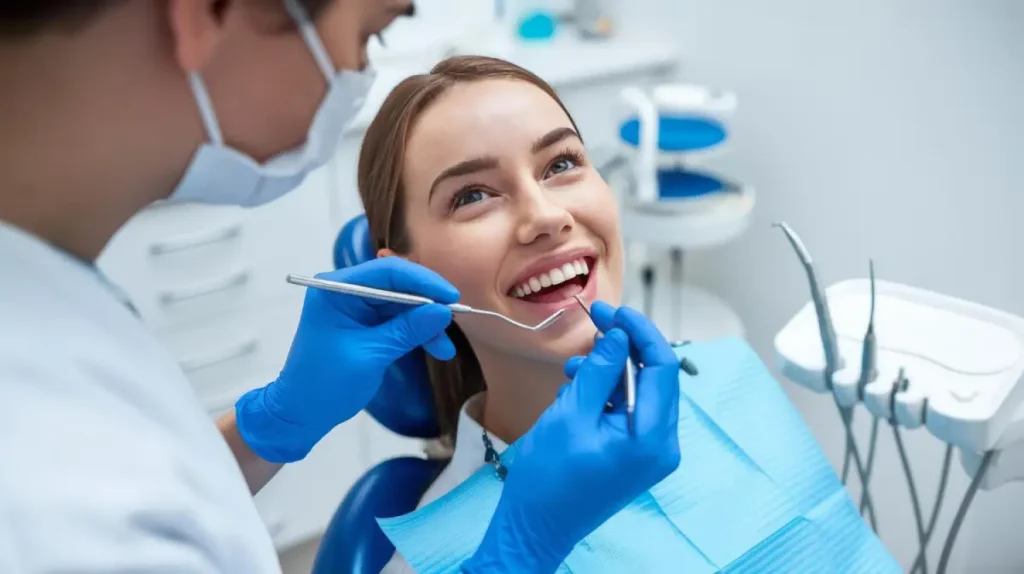
The Evolution of Precision in Modern Dentistry
The landscape of oral healthcare has undergone a massive transformation over the last decade. Gone are the days when a visit to the dentist was synonymous with discomfort and long, grueling hours in the chair. Today, precision dentistry has taken center stage, ensuring that every procedure is as accurate as possible. This accuracy is largely driven by the development of dental implements that allow practitioners to see and treat issues at a microscopic level.
By integrating high-definition imaging and robotic assistance, clinics can now offer a level of care that was previously unimaginable. These advancements ensure that the healthy tissue is preserved while only the damaged areas are targeted. Consequently, patient trust has increased, as the margin for error is significantly reduced through these modern technological standards. Precision is no longer a luxury; it is the foundation of modern care.
How Advanced Dental Implements Minimize Patient Anxiety
Anxiety is one of the most common reasons why individuals avoid seeking necessary oral care. However, the introduction of silent, vibration-free dental implements has revolutionized the patient experience. Traditional drills, known for their intimidating sound, are being replaced by laser systems and electric handpieces. These tools not only work faster but also provide a soothing environment for the patient during the procedure.
Furthermore, ergonomic designs in modern tools mean that the dentist can work more efficiently, reducing the overall time a patient spends in the chair. Shortening the duration of a dental treatment is a primary goal for any high-quality clinic looking to improve satisfaction. When patients realize that the process is quick and virtually painless, their willingness to return for regular checkups improves dramatically, leading to better long-term outcomes.
Digital Scanning: A Leap Forward in Dental Treatment
Traditional impressions used to be a messy and uncomfortable part of any restorative process. With the advent of intraoral scanners, this step has become entirely digital and far more comfortable. A dental treatment involving crowns or bridges now begins with a painless scan that creates a 3D model of the mouth in seconds. This digital approach eliminates the gag reflex often associated with old-fashioned molding clays.
This digital data is then sent to a lab or an in-house milling machine, ensuring a perfect fit every time. The seamless integration of software and hardware means that there is less need for manual adjustments during the final fitting. Patients appreciate the efficiency and transparency of the process, as they can view their own dental structures on a screen in real-time, fostering a better understanding of their oral health.
The Role of Lasers in Redefining Surgical Procedures
Laser technology has become a game-changer in both hard and soft tissue surgeries. Using specialized dental implements that emit focused light energy, dentists can perform incisions that are much cleaner and involve significantly less bleeding. This minimally invasive approach is highly preferred by patients who are wary of traditional scalpels and sutures. The precision of lasers ensures that the surrounding healthy gums remain untouched.
Moreover, lasers possess natural sterilizing properties, which reduce the risk of post-operative infections. This is a critical factor in ensuring a smooth recovery for the patient. Because the laser seals the tissue as it works, there is often no need for anesthesia in minor procedures. This painless methodology is a hallmark of a clinic that prioritizes the comfort and well-being of its clientele above all else.
Connecting Systemic Health and Obesity Surgery Outcomes
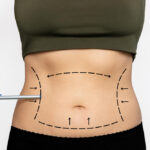
It is becoming increasingly clear that oral health is a window into the overall health of the body. For patients preparing for major medical interventions, such as obesity surgery, maintaining a healthy mouth is vital. Chronic infections in the gums can lead to systemic inflammation, which may complicate the healing process after bariatric procedures. Therefore, a comprehensive dental treatment plan is often recommended as part of the pre-surgical clearance.
Addressing dental issues before undergoing obesity surgery ensures that the body’s immune system is not preoccupied with oral bacteria. Modern tools make it easier to clear these infections quickly and effectively. By focusing on systemic wellness, medical professionals can ensure that patients are in the best possible condition to achieve their weight loss and health goals. A healthy smile is indeed a stepping stone to a healthier life.
Minimal Invasive Procedures and Reduced Recovery Times
One of the most significant benefits of state-of-the-art technology is the reduction in downtime. Thanks to high-tech dental implements, many procedures that once required days of rest can now be completed with almost immediate return to daily activities. For instance, guided implant surgery allows for precise placement with minimal trauma to the jawbone. This results in far less swelling and discomfort after the anesthesia wears off.
When the physical impact on the body is minimized, the body can heal at an accelerated rate. Patients can enjoy the results of their dental treatment much sooner, which is a major selling point for busy professionals. The shift toward gentle dentistry is not just about the tools; it is about respecting the patient’s time and physical comfort. This commitment to fast recovery is a key indicator of a premium healthcare provider.
Choosing a Clinic Committed to Technological Excellence
When looking for a provider, patients should seek out those who consistently invest in the latest dental implements. A clinic that stays updated with the latest tools is one that values clinical excellence and patient safety. These investments often translate into more accurate diagnoses and more successful long-term results. Checking a clinic’s technological profile is a great way to gauge their professionalism and dedication.
Beyond the machines, the expertise of the staff in handling these tools is equally important. Continuous training ensures that the dental treatment provided is of the highest international standard. Patients feel more secure when they know they are being treated with the latest innovations by skilled hands. Ultimately, the combination of a caring staff and advanced technology creates the ultimate patient experience.
Conclusion
In conclusion, the field of dentistry is being redefined by a commitment to precision and patient comfort. The use of advanced dental implements has turned once-feared procedures into quick, efficient, and virtually painless experiences. From digital scanning to laser surgery, every innovation serves the goal of enhancing the quality of a dental treatment. Furthermore, the connection between oral health and systemic conditions, such as those addressed by obesity surgery, highlights the importance of maintaining a healthy smile for overall longevity. By prioritizing high-tech solutions and gentle care, modern dentistry is successfully removing the barriers to a lifetime of oral health. Choosing a clinic that embraces these changes is the best way to ensure a bright and healthy future for your smile.
Frequently Asked Questions
1. How do modern tools improve the safety of a dental treatment?
Modern tools provide higher precision and sterilization, which minimizes tissue damage and significantly reduces the risk of infection during and after the procedure.
2. Are digital scans better than traditional impressions?
Yes, digital scans are much more comfortable as they eliminate the need for messy clays and provide a highly accurate 3D model for better-fitting restorations.
3. Why is dental health important before undergoing obesity surgery?
Oral infections can cause systemic inflammation; clearing these issues ensures the body is physically prepared for the recovery demands of a major surgery.
4. Does laser dentistry require anesthesia?
In many minor soft-tissue cases, laser dental implements are so gentle that anesthesia is not required, making the process much more comfortable for the patient.
5. Will high-tech dental procedures take more time?
Actually, the opposite is true. Advanced technology streamlines the dental treatment process, allowing for faster diagnoses and shorter sessions in the dentist’s chair.