Experiencing progressive hair loss can subtly diminish your personal confidence and alter how you present yourself to the world. For individuals navigating the extensive global market of restorative procedures, making an informed choice requires a deep dive into the latest micro-surgical methodologies and cellular recovery timelines. When non-invasive treatments no longer deliver satisfactory density, undergoing a specialized Hair Transplantation presents a permanent, highly effective clinical pathway to reconstruct a natural hairline and completely restore your youthful appearance.
The Advanced Clinical Logic of Modern Follicular Unit Relocation
Genetic alopecia represents a complex biological interaction between hormonal sensitivity and localized blood supply rather than a simple cosmetic inconvenience. While topical serums or hormonal blockers can offer temporary maintenance, genuine long-term structural restoration relies on redistributing resilient hair roots from dense donor zones to areas experiencing pattern thinning. The clinical evolution behind modern procedures ensures that newly implanted grafts integrate seamlessly, respecting the natural flow, density, and characteristics of your original hair.
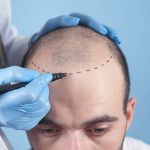
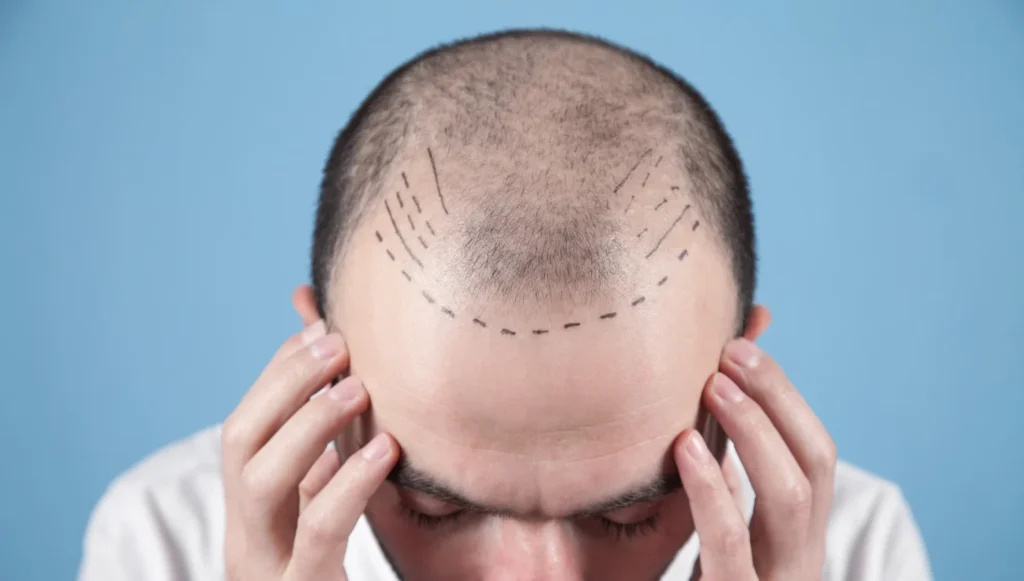
Contemporary surgical options have moved far beyond the unnatural-looking plug techniques of previous generations, focusing strictly on micro-grafting protocols. The biological cornerstone of this treatment relies on harvesting hair roots from the occipital area of the scalp, where the follicles are genetically programmed to resist the shrinking effects of dihydrotestosterone. Once carefully harvested and classified by clinical specialists, these delicate units are strategically placed into the recipient sites. The team at FlashCureMed.com utilizes meticulous spatial design principles, carefully calculating the growth angles and density gradients to replicate the natural multi-directional patterns of human hair growth, ensuring an undetectable aesthetic result.
Preparing for these sophisticated micro-surgical interventions requires a structured clinical framework. Patients undergo thorough scalp examinations, digital density mapping, and hematological screenings to verify systemic wellness before entering the clinical suite. Post-operative success depends heavily on protecting the newly embedded grafts during the initial vascular integration window, which takes about fourteen days. Patients receive explicit instructions to avoid mechanical friction, maintain elevated sleeping positions, and follow precise low-pressure cleansing routines to ensure flawless cellular healing without disrupting the fragile roots.
Advanced Techniques Shaping Contemporary Restoration
Achieving micron-level accuracy during modern follicular relocation depends entirely on the micro-surgical tools and methods chosen by the clinical team. The global standard of hair restoration features two prominent, highly specialized extraction and placement workflows designed to maximize graft survival and reduce healing times.
The first widely utilized methodology relies on Sapphire FUE, where micro-channels are opened in the recipient tissue using ultra-sharp blades crafted from synthetic sapphire gemstones. The smooth, V-shaped structure of these sapphire tips allows surgeons to create smaller, cleaner incisions compared to traditional steel instruments. This technical precision leads to minimal tissue scabbing, allows for dense graft placement, and accelerates local skin recovery. The second highly effective option is Direct Hair Implantation, which utilizes specialized implanter pens to harvest and place the follicular units simultaneously without pre-cutting any channels. This gives the surgical team absolute control over the precise depth, insertion angle, and directional orientation of every single graft, making it an exceptional choice for targeted density enhancement.
Biocompatible Milestones and Long-Term Cellular Growth
Following a successful procedure, the relocated follicles go through a standard biological adaptation process. Between the third and fourth weeks, patients experience a temporary shedding phase, where the old hair shafts fall away as the roots enter a quiet resting period. This shedding is a completely natural part of the cellular cycle. By the fourth month, permanent new hair begins to break through the surface, gradually thickening and maturing until final density and natural texture are achieved around the one-year mark.
Complementary Therapeutic Paths: Achieving Total Wellness Optimization
For many international guests, investing in hair restoration is just one part of a broader, life-changing personal wellness journey. When chronic metabolic challenges or advanced functional dental concerns impact your quality of life alongside structural hair thinning, understanding how different specialized treatments connect allows you to plan a safe, well-timed medical travel strategy.
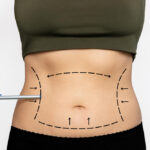
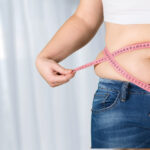
Addressing persistent metabolic patterns often serves as the core foundation for long-term health restoration. When traditional lifestyle changes fail to provide lasting physical relief, undergoing targeted Obesity Surgery offers a definitive clinical pathway to recalibrate gastrointestinal anatomy and regulate hunger-signaling hormones. Procedures like a laparoscopic sleeve gastrectomy reduce stomach capacity by roughly eighty percent, limiting food volume while significantly decreasing the production of ghrelin, the primary hormone responsible for triggering appetite. This structural adjustment results in rapid, sustained weight management, which effectively resolves secondary issues like type two diabetes and high blood pressure, thereby enhancing the body’s natural healing capacity for any subsequent cosmetic treatments.
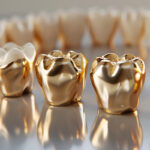
Similarly, achieving complete facial harmony requires maintaining excellent oral function and structural alignment. When advanced tooth decay, bone loss, or physical trauma compromises your smile, selecting a specialized Dental Treatment sequence ensures that both superficial aesthetics and underlying structural foundations are fully optimized. Modern clinics rely on advanced Dental Implements, such as high-resolution digital intraoral scanners and precision computer-aided manufacturing systems, to design custom ceramic crowns or biocompatible dental implants with microscopic accuracy. By replacing missing teeth and correcting bite distribution, these treatments prevent jawbone resorption and provide structural facial support that beautifully complements your newly restored hairline.
Strategic Coordination of Your Multi-Specialty Travel Timeline
Designing a cross-border medical itinerary that combines distinct clinical fields requires careful logistical planning, top-tier professional oversight, and an absolute commitment to patient safety. Maintaining proper healing intervals between unrelated surgical procedures is crucial to protect your immune system and ensure comfortable recovery across all treatment areas.
For example, major bariatric procedures require complete systemic stabilization, nutritional rebalancing, and steady blood indicators before a patient can safely schedule extensive outpatient dental adjustments or elective follicular restorations. The patient care experts at FlashCureMed.com specialize in building custom, safely paced travel plans tailored to your body’s natural recovery speed. By seamlessly combining world-class hospital care, luxury accommodations, and private VIP transport networks, international guests can relax and focus completely on a smooth, stress-free, and profoundly transformative wellness experience from start to finish.
Frequently Asked Questions
How long should I wait after a bariatric procedure before scheduling a hair restoration session?
Clinical guidelines generally recommend waiting at least six to twelve months after metabolic surgery before undergoing an elective follicular restoration. This timeline allows your weight to stabilize, ensures your daily nutritional intake is well balanced, and gives your body time to move past the initial rapid weight-loss phase, which is vital to prevent temporary nutritional shedding and support healthy graft growth.
What is the expected timeline to see the final results of a hair restoration procedure?
Initial new hair growth typically begins to emerge around the third or fourth month following your session. Significant cosmetic improvement and structural density are usually visible by the eighth month, while the final, full results—including natural hair thickness and mature texture—are completely realized between twelve and fourteen months post-procedure.
Can digital dental scanning systems accommodate patients with severe gag reflexes or sensitive teeth?
Yes, modern digital intraoral scanners completely eliminate the need for uncomfortable, messy traditional impression putties. The sleek, wand-like scanner passes quickly over your teeth without touching sensitive soft tissues, capturing thousands of crisp three-dimensional images in seconds to ensure a stress-free, highly precise diagnostic experience.
How does FlashCureMed.com handle communication and local transportation for international patients?
We provide a fully integrated personal care network designed to remove all travel-related stress. Every guest is paired with a dedicated bilingual medical coordinator who manages clinic schedules, translates real-time medical details, and provides constant support. Additionally, our premium care packages feature private VIP transfers between the airport, your luxury hotel, and the clinical center, ensuring a smooth journey throughout your stay.