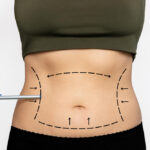

Living with chronic weight struggles is often a cycle of temporary fixes and frustrating plateaus. For many, diet and exercise alone are insufficient to overcome the biological hurdles of severe weight issues. This is where obesity surgery emerges as a transformative medical intervention. It is not merely a cosmetic procedure but a metabolic reset that addresses the root causes of weight gain. By altering the digestive system, it provides a sustainable path toward a healthier and more active lifestyle.
Choosing to undergo a surgical intervention requires a commitment to a total health overhaul. It is a journey that impacts every system in the body, from cardiovascular health to hormonal balance. When patients research obesity surgery, they are looking for a way to reclaim their vitality. This long-term solution offers hope to those who have struggled for years with obesity-related conditions, providing a foundation for a completely renewed sense of well-being and physical freedom in their daily lives.
The Medical Necessity of Obesity Surgery
Obesity is a complex disease that often leads to serious co-morbidities such as type 2 diabetes, hypertension, and sleep apnea. For individuals with a high body mass index, obesity surgery is often recommended as a life-saving measure. The procedure works by limiting the stomach’s capacity or rerouting the small intestine to reduce calorie absorption. This surgical precision results in significant, sustained weight loss that is difficult to achieve through traditional methods alone.
Beyond weight loss, the primary goal of the intervention is to improve or even resolve metabolic diseases. Many patients experience a remission of diabetes within weeks of the procedure. This systemic improvement highlights why the surgery is considered a gold standard in modern bariatric medicine. It is an investment in preventive health that reduces the risk of stroke and heart disease, adding years of quality time to a patient’s life while improving overall metabolic function.
The Essential Role of Dental Treatment Post-Surgery
A successful transformation involves more than just monitoring the scale; it requires attending to the needs of the entire body. One often overlooked aspect of the post-operative journey is the need for specialized dental treatment. Significant changes in diet and metabolism can sometimes lead to shifts in oral health. Patients may experience increased tooth sensitivity or changes in saliva production, making regular preventive care essential during the first year of recovery from the procedure.
Furthermore, nutritional changes and potential acid reflux post-surgery can impact the strength of tooth enamel. Seeking a professional dental treatment ensures that any mineral deficiencies are caught early before they cause permanent damage. Maintaining a healthy smile is a crucial part of the “new self” image that patients strive for after weight loss. It ensures that your external appearance reflects the internal health and energy you have worked so hard to achieve throughout your journey.
Advanced Dental Implements for Patient Care
To ensure the highest level of care during recovery, modern clinics utilize advanced dental implements to monitor oral health. These tools allow dentists to track the mineral density of the teeth with incredible accuracy. By using high-tech dental implements, practitioners can identify early signs of erosion that might be missed during a standard exam. This technology-driven approach provides a safe and proactive environment for the patient during their transition.
Moreover, digital imaging and diagnostic tools help in creating tailored plans for those who might need restorations like crowns or veneers. The use of precision dental implements ensures that any restorative work is perfectly anatomical and biocompatible. This level of clinical excellence is vital for patients whose bodies are going through rapid physiological changes. It guarantees that their dental health remains as robust as their improving metabolic health throughout the entire transformation process.
Psychological Transformation and Self-Esteem
The impact of successful weight loss extends far beyond the physical realm; it profoundly alters a person’s psychological landscape. After obesity surgery, many patients report a significant reduction in symptoms of depression and anxiety. Reclaiming control over one’s body leads to a surge in mental resilience and self-worth. This psychological “lightness” is often described as the most rewarding aspect of the entire surgical journey for many individuals seeking a fresh start.
As the body changes, the social anxiety that often accompanies weight struggles begins to dissipate. Patients find themselves more willing to engage in social activities, professional networking, and physical hobbies they once avoided. This newfound confidence is reinforced by a healthy body and a bright smile. Combining surgical success with a routine dental treatment creates a comprehensive sense of pride in one’s appearance, fostering a positive feedback loop of self-care and long-term health maintenance.
Maintaining Oral Hygiene During Metabolic Recovery
A holistic approach to recovery means understanding that every part of the body is connected. Following your procedure, a dental treatment plan should be integrated into your follow-up schedule. Dentists can provide specific guidance on how to manage oral hygiene while following a soft-food or liquid diet. This collaborative care prevents the development of gum disease or cavities during the transition period, protecting your long-term investment in your health and appearance.
Additionally, professional cleanings become more important as the body adjusts to its new nutritional intake. Dentists use specialized dental implements to remove plaque buildup that might occur due to changes in dietary habits. Keeping the gums healthy is vital, as oral inflammation can affect systemic health. A proactive dental plan is the final piece of the puzzle in ensuring that your weight loss journey is a total success for your entire body and future well-being.
Long-Term Discipline and Nutritional Success
The surgery is a powerful tool, but its long-term efficacy depends on permanent lifestyle changes. Patients must learn to prioritize high-protein, nutrient-dense foods to support their metabolic recovery. Following obesity surgery, the body requires specific vitamins and minerals to maintain bone and tooth strength. Adhering to a strict nutritional protocol is essential for avoiding complications and ensuring that weight loss is maintained for life, alongside regular medical checkups.
In addition to diet, regular physical activity becomes a cornerstone of the new lifestyle. Exercise helps to maintain muscle mass and supports a healthy metabolism. When you feel good physically, it is easier to maintain the discipline required for success. Regular check-ups, including both bariatric and dental treatment, keep you accountable and motivated. This holistic discipline is what separates those who lose weight temporarily from those who reclaim their health permanently and live vibrantly.
Choosing Quality and Trust in Bariatric Care
The success of your journey depends heavily on the expertise of the medical team you choose. A high-quality clinic provides more than just the operation; it offers comprehensive support including nutritional counseling and psychological aid. Reliability and trust are the foundations of the patient-provider relationship. Choosing a facility that uses the latest dental implements and surgical techniques ensures that you are receiving world-class care at every stage of your physical and emotional transformation.
Furthermore, look for a brand that emphasizes transparent communication and long-term follow-up. Excellence in obesity surgery is measured by the patient’s success five or ten years down the line. A clinic that values integrity and innovation will guide you through the challenges and celebrate your milestones. Your health is your most valuable asset, and it deserves to be handled by specialists who are dedicated to your total, life-long well-being and continued success.
Conclusion
Reclaiming your health through obesity surgery is a profound decision that offers a permanent exit from the struggle of chronic weight. It provides a metabolic foundation that allows the body to heal and thrive. However, a total transformation is a holistic process that includes maintaining your oral health through professional dental treatment. Utilizing advanced dental implements ensures that your smile remains as healthy and vibrant as your new body. By combining surgical intervention with dedicated self-care and professional medical support, you can achieve a level of vitality and confidence that was previously unimaginable. This journey is about more than just numbers on a scale; it is about regaining your life and ensuring every part of your body—from your heart to your teeth—is in peak condition. Invest in your future today by choosing a path of excellence and health that lasts a lifetime.
Frequently Asked Questions
1. How does obesity surgery provide a long-term solution?
It resets the body’s metabolic thermostat and alters hunger hormones, making it easier to maintain weight loss compared to diet and exercise alone over several years.
2. Why do I need dental treatment after weight loss surgery?
Nutritional changes and potential acid reflux post-surgery can weaken enamel. Regular check-ups ensure your oral health stays strong during your total body transformation.
3. Are dental implements different for post-op patients?
Dentists use specific dental implements to monitor mineral loss and gum sensitivity, providing more precise diagnostic data for patients going through metabolic changes.
4. Can obesity surgery cure type 2 diabetes?
While “cure” is a strong word, many patients achieve full remission of type 2 diabetes and no longer require medication shortly after the procedure is completed.
5. How long is the recovery period for these procedures?
Most patients return to light activities within two weeks. However, the full lifestyle and dental treatment adjustments continue for the first year to ensure permanent success and health.