
Embarking on a transformative healthcare journey requires a deep understanding of modern clinical innovations and patient-centric care. For global citizens exploring advanced medical solutions, making an informed choice involves balancing biological insights with logistical realities. Whether your immediate focus is biological health optimization or functional and aesthetic updates, navigating the vast ecosystem of modern medicine demands a reliance on trusted expertise and transparent pathways. This comprehensive analysis evaluates pivotal medical interventions that change lives daily, establishing a reliable roadmap for your personal wellness strategy.
Evaluating the Therapeutic Horizon of Obesity Surgery
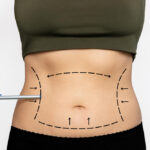
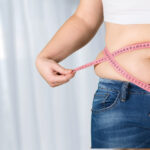
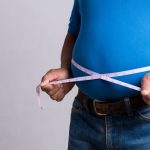
Chronic metabolic conditions present intricate physiological challenges that extend far beyond simple caloric calculations. When structural and metabolic patterns threaten systemic longevity, targeted clinical protocols offer a definitive, sustainable path toward biological restoration. Navigating the world of long-term weight management often leads individuals to evaluate the profound physiological impacts of undergoing specialized Obesity Surgery, an intervention engineered to recalibrate neurohormonal signaling and gastrointestinal capacity.
Modern metabolic interventions are not singular events but comprehensive biological resets. The most widely integrated clinical pathways include gastric sleeve procedures and advanced bypass methodologies. In a sleeve gastrectomy, a substantial portion of the stomach is surgically resected, converting the organ into a narrow, vertical sleeve. This structural change limits mechanical capacity and curtails the production of ghrelin, the primary hormone responsible for triggering hunger signals in the central nervous system. Conversely, a gastric bypass alters the internal architecture of the digestive system entirely, bypassing the duodenum and proximal jejunum. This dual mechanism achieves both portion restriction and controlled nutrient malabsorption, fostering rapid stabilization of glucose levels and mitigating conditions like type 2 diabetes and systemic hypertension.
Preparing for these profound anatomical adjustments involves a rigorous pre-operative framework. Medical teams at FlashCureMed.com emphasize that long-term procedural success requires deep patient dedication, starting with comprehensive psychological alignment and strict nutritional counseling months before entering the operating suite. Post-surgical recovery demands a methodical, phased dietary reintroduction, moving gradually from clear liquids to blended proteins before resuming solid nutrition. This careful transition ensures that newly constructed gastrointestinal margins heal perfectly while the body adapts to altered micronutrient absorption patterns, particularly regarding vital compounds like vitamin B12 and elemental iron.
Comprehensive Frameworks for Restorative Dental Treatment
Oral rehabilitation stands as a core pillar of total systemic health, directly influencing digestive efficacy, facial skeletal balance, and daily self-assurance. When natural dentition is compromised by advanced periodontal deterioration, structural decay, or sudden physical trauma, modern clinical workflows provide sophisticated solutions designed to restore complete anatomical and functional harmony.
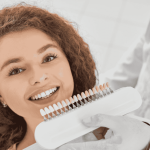
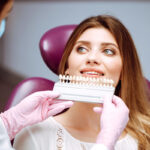
A successful approach to complex oral health restoration relies on multi-dimensional diagnostic planning. From repairing isolated localized damage to executing full-arch reconstructions, identifying the optimal sequence of Dental Treatment dictates long-term clinical predictability. Utilizing high-resolution cone-beam computed tomography, clinical specialists evaluate underlying alveolar bone density and map nerve pathways with pinpoint accuracy. This precise pre-planning allows for custom restorations that align flawlessly with your natural occlusion, eliminating joint strain and preventing uneven wear across the dental arches.
Achieving micron-level accuracy during complex clinical preparations relies on the seamless integration of state-of-the-art Dental Implements. Digital intraoral scanners have largely replaced traditional, uncomfortable impression putties, capturing flawless three-dimensional topographies of the oral cavity in seconds. Additionally, computer-guided surgical templates and specialized piezo-electric bone cutting systems allow clinicians to prepare implant sites or crown margins with minimal disruption to surrounding soft tissues. This technology significantly curtails post-operative swelling and accelerates local tissue regeneration, allowing patients to enjoy their fully restored smiles much sooner.
The Biocompatible Architecture of Dental Implants
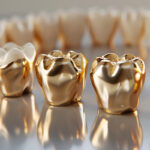
When teeth are lost, the surrounding jawbone naturally begins to resorb due to a lack of mechanical stimulation. Modern dentistry addresses this issue through the placement of biocompatible titanium fixtures that integrate directly into the bone structure over a period of three to six months. This foundational fusion provides an unshakeable anchor for custom ceramic or zirconia crowns, delivering an exceptional restorative solution that perfectly mimics the resilience, bite force, and natural beauty of original teeth.
Innovative Methodologies in Follicular Unit Hair Transplantation
Progressive hair thinning can subtly alter how individuals interact with the world, often triggering an active search for permanent aesthetic solutions. While temporary topical treatments and therapeutic serums offer superficial stabilization, genuine, lifelong follicular restoration requires micro-surgical interventions that redistribute resilient hair roots to areas impacted by genetic alopecia.
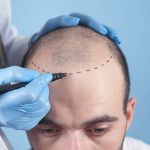
The field of clinical hair restoration has advanced significantly from the unnatural-looking procedures of the past. Today, achieving an undetectable hairline involves a sophisticated Hair Transplantation procedure, where individual follicular units are meticulously harvested from the patient’s occipital region. This specific donor zone is genetically programmed to resist the miniaturizing effects of dihydrotestosterone, ensuring that the relocated grafts retain their natural vitality and growth cycles for decades to come.
The overall aesthetic success and natural flow of the final result depend entirely on the precision of the implantation technique utilized by the surgical team. Two prominent strategies dominate the contemporary landscape:
- Sapphire FUE: Microscopic channels are created in the recipient area using ultra-sharp blades crafted from synthetic sapphire. This specialized material allows for smaller, cleaner incisions, reducing tissue crusting and enabling a significantly higher graft density per square centimeter.
- Direct Hair Implantation: Follicular units are loaded into precision implanter devices and inserted directly into the dermal layer without the need for pre-cut channels. This technique gives the clinician absolute control over the depth, angle, and directional orientation of each graft, ensuring a natural blend with existing hair.
The critical post-operative healing phase spans the first fourteen days following the procedure. During this delicate window, the newly embedded follicular grafts remain susceptible to displacement, making it vital for patients to avoid physical friction, strenuous physical exercise, and direct exposure to intense sunlight or chlorinated pools. Experts at FlashCureMed.com guide individuals through structured post-surgical washing routines, utilizing specialized, pH-balanced cleansing foams that protect the healing scalp while encouraging optimal cellular recovery and hair shaft maturation.
Structuring Your International Medical Travel Protocol
Organizing a cross-border medical journey involves aligning complex clinical requirements with comfortable, stress-free logistical support. Coordinating distinct treatments—such as arranging cosmetic refinements or dental adjustments after successfully completing the core healing phase of metabolic surgery—requires a strategically paced timeline designed by experienced medical coordinators.
Patient safety always dictates the intervals between unrelated treatments. Major abdominal procedures require complete systemic stabilization and full hemodynamic recovery before a patient can safely move forward with elective outpatient care. The patient care teams at FlashCureMed.com specialize in building bespoke travel itineraries that prioritize clinical healing windows. By seamlessly combining elite hospital care, luxury accommodations, and dedicated private transport, international guests can focus entirely on a comfortable and transformative recovery experience.
Frequently Asked Questions
What criteria determine if an individual is an ideal candidate for bariatric metabolic surgery?
Generally, candidates include individuals with a Body Mass Index of forty or higher, or those with a Body Mass Index of thirty-five or higher accompanied by serious weight-related health conditions, such as type 2 diabetes or severe sleep apnea. A thorough clinical evaluation of your medical history, current metabolic parameters, and overall lifestyle commitment is essential to finalize candidacy.
How long should I plan to stay abroad following an advanced dental implant procedure?
For standard dental implant placements, a stay of five to seven days is highly recommended. This allows your dental team to conduct essential post-operative assessments, monitor the initial healing of the soft tissue, and make any necessary adjustments to temporary prosthetics before you clear your travel itinerary for departure.
Is it normal to experience shedding after a professional hair restoration procedure?
Yes, temporary hair shedding typically occurs between two to four weeks following the procedure. This is a completely natural biological response known as shock loss, where the hair shaft sheds while the root enters a resting phase. New, permanent hair growth begins to emerge around the third or fourth month, with final density achieved at the one-year mark.
How does FlashCureMed.com support international patients throughout their recovery process?
We provide a comprehensive care ecosystem that includes dedicated personal coordinators, private VIP transfers, and handpicked accommodations optimized for post-treatment rest. Our medical teams remain in constant contact throughout your stay and continue to offer structured follow-up care guidelines long after you return home.