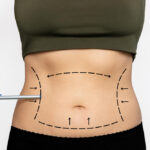

The Metabolic Reset: Beyond Simple Weight Loss
For many years, the primary metric for the success of obesity surgery was the number on the scale. However, modern medical science has revealed that these procedures are actually powerful metabolic interventions. By altering the anatomy of the digestive tract, these surgeries trigger a complex hormonal reset that improves how the body processes energy. This breakthrough shift allows patients to regain control over their internal chemistry in ways that diet and exercise alone often cannot achieve.
The impact of this reset is felt almost immediately after the procedure. Patients often report a significant reduction in hunger and an increase in satiety, driven by changes in gut-brain signaling. This metabolic transformation is the cornerstone of long-term health stability, moving the focus away from aesthetics and toward systemic wellness. Understanding this shift is vital for anyone considering a surgical path to health.
Reversing Type 2 Diabetes Through Surgical Intervention
One of the most remarkable breakthroughs associated with obesity surgery is its ability to put Type 2 Diabetes into remission. In many cases, blood sugar levels stabilize within days of the procedure, often before any significant weight has been lost. This occurs because the surgery alters the secretion of incretin hormones, which enhance insulin sensitivity and glucose metabolism. This life-changing benefit reduces the need for daily medications and long-term insulin therapy.
The secondary benefits of diabetes remission are equally profound. By stabilizing glucose levels, patients significantly lower their risk of kidney failure, nerve damage, and vision loss. This proactive health management ensures that the body can heal and function optimally. For many, the elimination of diabetic complications is the most rewarding outcome of their entire surgical journey, offering a new lease on life.
Cardiovascular Health and the Reduction of Systemic Strain
Living with severe obesity places an immense burden on the cardiovascular system, leading to hypertension and chronic heart strain. Undergoing obesity surgery acts as a direct intervention that lowers blood pressure and improves lipid profiles. By reducing the inflammatory markers in the bloodstream, the surgery helps to clear the path for a healthier heart. This reduction in systemic strain is a critical factor in extending a patient’s life expectancy.
As the heart’s workload decreases, the risk of stroke and heart attack plummets. Patients find themselves capable of engaging in physical activities that were previously impossible, further strengthening their cardiovascular endurance. This virtuous cycle of health improvement is a testament to the holistic impact of metabolic surgery on the human body, providing a foundation for years of active living.
Nutritional Shifts and the Necessity of Dental Treatment
While the metabolic benefits are vast, the changes in digestion require patients to be vigilant about their nutritional intake. Post-operative changes in stomach acidity and nutrient absorption can sometimes impact the oral cavity. Therefore, scheduling a regular dental treatment is essential to monitor for signs of enamel erosion or mineral deficiencies. Maintaining a healthy oral environment is a key component of the post-surgical lifestyle.
Dentists playing a role in the bariatric care team can identify early warning signs of vitamin malabsorption through the condition of the gums and teeth. Consistent dental treatment ensures that any issues are addressed before they become painful or costly. By prioritizing oral health, patients ensure they can continue to eat the nutrient-dense foods required to sustain their new metabolic balance and overall vitality.
Advanced Dental Implements for Post-Surgical Precision
The field of dentistry has evolved to support patients with specific health needs through the use of sophisticated technology. Modern dental implements, such as high-precision intraoral cameras and laser diagnostic tools, allow for non-invasive monitoring of tooth density. These tools are especially beneficial for bariatric patients who need detailed assessments without the discomfort of traditional methods. Precision tools ensure that every check-up is thorough and accurate.
Utilizing these state-of-the-art dental implements helps in creating a customized preventative plan for each patient. For instance, air-polishing tools can clean teeth gently without stressing sensitive enamel that may be recovering from nutritional shifts. This high-tech approach to care emphasizes the brand’s commitment to patient comfort and clinical excellence. Modern equipment makes maintaining a healthy smile an efficient and stress-free process.
Hormonal Balance and Mental Well-being
The metabolic breakthrough of obesity surgery extends into the realm of mental health by regulating hormones like ghrelin and leptin. These “hunger hormones” often stay in a state of imbalance in individuals with chronic obesity, leading to constant food noise and anxiety. Restoring hormonal equilibrium provides a sense of mental clarity and emotional stability that is often life-changing. Patients find it easier to develop a healthy relationship with food once the physiological triggers are managed.
Improved self-esteem and reduced social anxiety often follow the physical and metabolic improvements. The reduction in systemic inflammation also has a positive effect on brain chemistry, potentially alleviating symptoms of depression and fatigue. This mental “lightening” is just as significant as the physical weight loss, allowing patients to fully engage with their families, careers, and hobbies with renewed energy and focus.
Long-term Success Through a Multidisciplinary Approach
Achieving a true health breakthrough requires more than just a successful operation; it requires a lifelong commitment to a multidisciplinary care plan. This includes working with surgeons, nutritionists, and ensuring that a dental treatment plan is in place to protect the gateway to the body. A coordinated care strategy is the most effective way to ensure that the metabolic benefits of the surgery are sustained for decades. Success is a team effort involving the patient and their specialized providers.
By staying connected with healthcare professionals and utilizing the best dental implements for regular maintenance, patients can navigate the changes in their bodies with confidence. This comprehensive approach minimizes risks and maximizes the quality of life. The journey beyond the scale is one of continuous growth, health education, and the celebration of small victories that lead to a transformed, vibrant existence.
Conclusion
In summary, the true value of obesity surgery lies far beyond simple weight loss; it is a profound metabolic breakthrough that redefines systemic health. From the immediate remission of Type 2 Diabetes to the long-term protection of the cardiovascular system, the benefits are life-altering. However, these changes necessitate a holistic approach to care, where a professional dental treatment plan and the use of advanced dental implements become essential for maintaining overall wellness. By managing hormones, protecting oral health, and reducing systemic strain, patients can enjoy a level of vitality they never thought possible. The scale is only the beginning of a journey toward a healthier, more balanced, and significantly longer life. Embracing this multidisciplinary vision is the key to unlocking a future filled with confidence and well-being.
Frequently Asked Questions
1. How does obesity surgery help with diabetes so quickly?
The surgery changes the way gut hormones are secreted, which immediately improves insulin sensitivity and allows the body to regulate blood sugar more effectively even before weight loss.
2. Why is dental care so important after a bariatric procedure?
Changes in diet and nutrient absorption can affect enamel strength and gum health, making regular dental treatment vital to prevent decay and maintain oral integrity.
3. Are the metabolic changes from the surgery permanent?
While the surgery provides a powerful “reset,” maintaining the results requires a permanent lifestyle change, including proper nutrition and regular medical follow-ups.
4. Can dental implements detect nutritional deficiencies?
Yes, advanced dental implements allow dentists to see subtle changes in tooth structure and gum health that may indicate a need for specific vitamin supplementation.
5. Does obesity surgery improve heart health only by losing weight?
No, the surgery also reduces systemic inflammation and improves cholesterol levels directly, which protects the heart independently of the actual pounds lost on the scale.