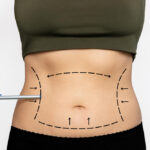

Embarking on the path toward obesity surgery represents a courageous commitment to transforming your physical health and overall quality of life.
While the physical results can be incredibly inspiring, the true journey involves a holistic transformation that changes how you interact with food, exercise, and mental wellness.
Understanding exactly what to expect before and after your procedure will help you navigate this transition smoothly and confidently.
Table of Contents
- 1. Preparing Your Body: The Pre-Op Phase
- 2. Shifting Habits: The Pre-Op Liquid Diet
- 3. Rebuilding Day-by-Day: Immediate Post-Op Recovery
- 4. The Comprehensive Timeline Table
- 5. Long-Term Habits for Permanent Success
- 6. Frequently Asked Questions (FAQ)
Preparing Your Body: The Pre-Op Phase
The preparation phase for obesity surgery usually spans several months and begins with comprehensive medical screenings.
Clinicians assess your cardiovascular health, lung function, and nutritional baselines to ensure you are physically prepared for the operation.
According to the standard protocols outlined by the NHS, this initial phase often includes a psychological evaluation to assess your readiness for the dramatic changes ahead.
Your team of dietitians and medical coordinators will help you build a customized plan that aligns with your specific metabolic needs.
Shifting Habits: The Pre-Op Liquid Diet
Another critical element prior to undergoing obesity surgery is embarking on a strict, nutritionally supervised liquid or low-carbohydrate diet.
This phase usually begins 7 to 14 days before the surgery date to reduce the size of your liver, making the laparoscopic procedure much safer.
Focusing on high-protein shakes, non-starchy vegetables, and plenty of water helps protect muscle mass during this rapid transition.
To learn more about how technological changes are reshaping medical and clinical wellness, explore our review of transformative healthcare practices.
Rebuilding Day-by-Day: Immediate Post-Op Recovery
In the days immediately following obesity surgery, the body enters a phase of rapid adjustment.
Most patients stay in the hospital for one to three days, where clinical staff monitor hydration levels and pain management.
Early mobilization is vital; standing up and taking brief walks within hours of the procedure reduces the risk of deep vein thrombosis.
Over the first month, you will slowly transition from clear liquids to purees, soft foods, and eventually solid meals under your dietitian’s guidance.
The Comprehensive Timeline Table
This timeline outlines what patients can typically expect during each stage of their obesity surgery journey.
Having clear, realistic expectations is key to managing both physical milestones and mental adaptation.
| Timeline Phase | Key Milestones | Primary Focus |
|---|---|---|
| Pre-Op (3-6 Months) | Blood tests, imaging, endoscopy, and dietician consultations | Health screening and insurance clearance |
| Pre-Op (1-2 Weeks) | Liver-shrinking liquid diet, stop smoking and supplements | Minimizing surgical risks and bloating |
| Post-Op (Days 1-30) | Liquid-to-puree diet progression, early hydration focus | Wound healing and gut adaptation |
| Post-Op (Months 1-12) | Progressive solid foods, steady weight reduction, active lifestyle integration | Habit formation and muscle preservation |
Long-Term Habits for Permanent Success
Adopting new behavioral habits after obesity surgery is crucial for ensuring that your weight loss and metabolic improvements remain stable.
As noted in patient guides by the Mayo Clinic, surgery provides a powerful clinical tool, but lifelong success rests on consistent daily routines.
This includes eating slowly, avoiding drinking fluids while chewing, and emphasizing lean proteins to support cellular tissue healing.
Staying connected with support groups and scheduling regular follow-ups with your clinical team provides the accountability needed to thrive.
Frequently Asked Questions (FAQ)
A1: The most critical step is committing to the pre-operative liver-shrinking diet. This diet reduces internal visceral fat and makes the abdominal cavity much safer for your surgical team to navigate.
A2: Light walking is highly encouraged on the very first post-operative day. However, you should generally wait four to six weeks before resuming vigorous physical activities, heavy weightlifting, or swimming to ensure surgical incisions are fully healed.
A3: Yes. Because procedures modify your stomach capacity or alter intestinal absorption, daily bariatric vitamins, calcium, and vitamin B12 are lifelong essentials to prevent micronutrient deficiencies.