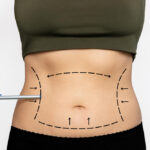

Deciding to undergo obesity surgery is a profound life choice that goes far beyond shedding excess physical weight.
While society often focuses entirely on the outward physical transformation, the true medical revolution occurs deep inside your cells.
By restructuring the digestive tract, these metabolic procedures fundamentally reset how your body processes energy and regulates glucose.
Table of Contents
- 1. Reversing Type 2 Diabetes: The Ultimate Glycemic Reset
- 2. Hormonal Rewiring: Overcoming the Hunger Trap
- 3. Cardiovascular Health and Blood Pressure Optimization
- 4. Comparing Primary Bariatric Procedures
- 5. Frequently Asked Questions (FAQ)
Reversing Type 2 Diabetes: The Ultimate Glycemic Reset
Historically viewed as a weight-reduction tool, modern clinical data confirms that obesity surgery acts as an advanced therapeutic tool for metabolic disease.
According to research highlighted by the Endocrine Society, many patients experience a rapid reduction in blood sugar levels within days of their procedure.
This biological change occurs long before significant weight loss is visible, signaling a direct metabolic alteration in insulin sensitivity.
Clinical studies show that intensive procedures like biliopancreatic diversion or gastric bypass can trigger complete Type 2 diabetes remission in over 50% of long-term insulin users.
Hormonal Rewiring: Overcoming the Hunger Trap
A massive part of why obesity surgery works so rapidly is its immediate endocrine impact.
Traditional diet and exercise efforts often trigger a survival response, increasing ghrelin (the hunger hormone) and causing persistent cravings.
In contrast, surgical alteration of the stomach suppresses ghrelin production while simultaneously boosting satiety signals like GLP-1 and PYY.
This hormonal reset reduces cravings, regulates appetite, and supports sustainable dietary habits without the typical cognitive fatigue of severe restriction.
To learn more about the broader relationship between system modifications and wellness, you can read our guide on transformative health and wellness choices.
Cardiovascular Health and Blood Pressure Optimization
Furthermore, the long-term metabolic outcome of obesity surgery includes substantial improvements in cardiovascular wellness.
By reducing fat deposits around visceral organs, patients experience a dramatic decrease in blood pressure and systemic vascular strain.
According to long-term health statistics published by the National Institutes of Health (NIH), bariatric patients show a significant reduction in heart attack and stroke risks.
Additionally, lipids like triglycerides and LDL cholesterol normalize rapidly, paving the way for vibrant cardiovascular health.
Comparing Primary Bariatric Procedures
This comprehensive outline details how the primary forms of obesity surgery function from a physiological perspective.
Each procedure balances anatomical restriction with metabolic hormone shifts to optimize patient outcomes.
| Procedure Type | Anatomical Mechanism | Metabolic Impact | Diabetes Remission Potential |
|---|---|---|---|
| Sleeve Gastrectomy | Removes ~80% of the stomach structure | Substantially reduces ghrelin (hunger) levels | Moderate to High (~60%) |
| Gastric Bypass (RYGB) | Creates small pouch, bypasses portion of intestine | Strongly elevates satiety hormones (GLP-1) | Very High (~75%) |
| Biliopancreatic Diversion | Alters intestinal tract for caloric malabsorption | Fundamental shift in glucose and lipid processing | Highest (up to 85%) |
Selecting the ideal path depends on a collaborative partnership between the patient, an endocrinologist, and a bariatric surgeon.
This teamwork ensures that the post-operative metabolic outcomes are carefully aligned with personal wellness goals.
Frequently Asked Questions (FAQ)
A1: By physically altering the gut anatomy, the surgery triggers a rapid shift in gastrointestinal hormones like GLP-1. These biochemical signals increase insulin secretion and reduce insulin resistance, often stabilizing blood sugar levels immediately.
A2: Most minimally invasive bariatric operations allow patients to return home within one to three days. Normal, light daily activities can usually be resumed in two to three weeks, though complete internal healing and nutritional adjustment take several months.
A3: Yes. Because the size of the stomach and nutrient absorption pathways are modified, patients must commit to lifelong dietary adjustments. This includes consuming nutrient-dense meals and daily vitamin supplements to ensure optimal metabolic energy levels.