
Embarking on a bariatric journey is a profound medical step, but understanding the body transformation secrets that unfold post-procedure is key to long-term success.
While shedding excess weight is the most visible milestone, your body goes through intense cellular, muscular, and hormonal adjustments behind the scenes.
Navigating these transitions with scientific knowledge ensures you protect your metabolism and enjoy a vibrant, healthy lifestyle.
Table of Contents
- 1. The Battle for Lean Muscle Mass
- 2. Managing Loose Skin and Elasticity
- 3. The Silent Hormonal Shift Behind Cravings
- 4. Navigating Post-Bariatric Milestones
- 5. Redefining Your Mental Self-Image
- 6. Frequently Asked Questions (FAQ)
The Battle for Lean Muscle Mass
One of the most vital body transformation secrets is the absolute necessity of preserving lean muscle mass.
During rapid weight loss, the body often burns muscle tissue for energy alongside fat, which can slow down your resting metabolic rate.
According to guidance from the American Association for Bariartric Surgery, prioritizing high-quality protein in every single meal is critical to prevent muscle wasting.
Incorporating progressive, light resistance training after your clinical clearance helps signal to your nervous system that your muscles must be preserved.
Managing Loose Skin and Elasticity
Understanding skin elasticity is another of the crucial body transformation secrets that patients discover during their rapid weight-loss phase.
When a person carries significant weight for years, the skin’s collagen and elastin fibers become stretched beyond their natural recovery limits.
While proper hydration, vitamin C, and strength training can support skin health, massive volume loss often results in excess folds.
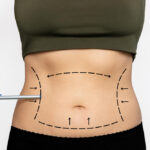
Many patients choose to explore targeted body contouring or reconstructive surgeries once their weight has stabilized for at least 12 to 18 months.
To learn more about how technological trends support patient recovery, explore our guides on transformative healthcare practices.
The Silent Hormonal Shift Behind Cravings
Few people realize that hormonal rewiring is among the top body transformation secrets driving your new relationship with food.
Bariatric procedures physically modify your digestive tract, which immediately decreases the production of ghrelin—the hormone responsible for physical hunger.
Simultaneously, the digestive change triggers an increase in satiety signals, helping you feel satisfied with much smaller portions of food.
Clinical studies highlighted by the Mayo Clinic show that this metabolic reset is not just about willpower, but is a biological pivot that secures long-term weight management.
Navigating Post-Bariatric Milestones
To help you navigate these physiological shifts, let’s look at the baseline body transformation secrets that separate long-term success from plateaus.
This comparison table maps the key differences between simple weight loss and true metabolic body recomposition.
| Transformation Pillar | Standard Scale Weight Loss | Metabolic Recomposition Focus |
|---|---|---|
| Primary Metric | Decreasing numbers on a scale | Optimal fat-to-muscle ratio and cellular health |
| Nutritional Goal | Strict and often unsustainable calorie restriction | Targeted lean protein intake and vitamin assimilation |
| Exercise Approach | Excessive cardiovascular fatigue sessions | Consistent strength training and active mobility |
| Hormonal Environment | Elevated cortisol and constant hunger spikes | Optimized insulin sensitivity and balanced ghrelin |
Redefining Your Mental Self-Image
Addressing your mental self-image is one of the most overlooked body transformation secrets after major weight loss.
The brain often takes months, or even years, to adjust to your new physical dimensions, leading to a phenomenon known as phantom fat.
Many patients still feel or perceive themselves as carrying their former weight, which can lead to social hesitation or emotional exhaustion.
Engaging with bariatric support groups, practicing mindful reflection, and celebrating non-scale victories are powerful ways to align your mind with your body’s new reality.
Frequently Asked Questions (FAQ)
A1: Prioritizing 60 to 80 grams of lean protein daily and engaging in structured resistance training are the most critical steps. This ensures your body burns stored fat for energy while preserving metabolic muscle tissue.
A2: Yes. Once your weight has stabilized for 12 to 18 months, procedures like abdominoplasty (tummy tuck), thigh lifts, or upper body lifts can safely remove excess tissue and create contoured proportions.
A3: Procedures fundamentally reset hunger hormones like ghrelin and satiety signaling pathways. This hormonal calibration reduces food cravings, making it biologically easier to sustain healthy eating habits over your lifetime.