Carrying excessive body weight often reaches a critical threshold where standard diet plans, intensive gym routines, and short-term lifestyle changes no longer yield lasting health improvements. For millions dealing with severe metabolic challenges, the journey to a lighter, healthier body feels like an endless uphill battle. Metabolic disorders and chronic weight retention can profoundly impair overall mobility, confidence, and internal organ function over time. When traditional conservative approaches fail to deliver sustainable relief, modern clinical interventions like high-precision Obesity Surgery offer a scientifically proven, permanent path toward total physical transformation and long-term metabolic health.
Deciding to undergo a bariatric procedure is far more than an aesthetic choice; it represents a life-altering commitment to taking back control of your health. Today’s advanced laparoscopic and robotic procedures have transformed bariatric care into an exceptionally safe, highly controlled medical art with minimal recovery downtime. At Flash Cure Med, we specialize in delivering comprehensive surgical solutions that combine elite clinical expertise with individualized long-term care plans, ensuring every patient achieves safe, dramatic, and sustainable weight management.
Understanding the Physiological Impact of Severe Weight Challenges
Chronic weight accumulation is rarely a simple matter of willpower or dietary discipline. Severe weight challenges stem from complex biological mechanisms involving hormone dysregulation, genetics, metabolic rate adaptations, and neurological appetite signaling. When the body establishes a elevated set-point weight, internal physiological defense mechanisms actively resist weight loss by slowing down energy expenditure and raising hunger hormones like ghrelin.
This biological resistance explains why so many individuals experience the frustrating cycle of temporary weight loss followed by rapid rebound gaining. High-precision Obesity Surgery directly addresses these underlying biological roadblocks. By altering gastrointestinal anatomy, surgical interventions restrict caloric intake capacity and rebalance metabolic hormones, enabling your body to shed excess tissue naturally and maintain a healthy, balanced state.
Leading Bariatric Surgical Techniques Explained
Modern bariatric medicine offers several distinct surgical approaches tailored to specific metabolic conditions, health profiles, and weight reduction goals. Understanding the structural differences between these techniques allows you to make a completely informed choice alongside your medical care team.
Laparoscopic Sleeve Gastrectomy
Laparoscopic Sleeve Gastrectomy, commonly referred to as the gastric sleeve procedure, is currently the most widely performed weight reduction surgery worldwide. During this procedure, approximately 75 to 80 percent of the stomach is carefully removed using specialized surgical staplers, leaving behind a narrow, tubular stomach pouch resembling the shape of a banana.
- Caloric Restriction: Significantly reduces the volume of food the stomach can comfortably hold during meals, encouraging earlier feelings of fullness.
- Hormonal Rebalancing: Removes the primary ghrelin-producing section of the stomach, dramatically decreasing persistent feelings of hunger.
- Intestinal Integrity: Leaves the natural digestive pathway and small intestine untouched, minimizing complex nutrient malabsorption risks.
Roux-en-Y Gastric Bypass
Roux-en-Y Gastric Bypass remains a trusted gold standard for high-level weight reduction and severe metabolic condition management. This dual-action approach involves creating a small thumb-sized stomach pouch and connecting it directly to the middle section of the small intestine, bypassing the majority of the original stomach and the upper portion of the intestinal tract.
- Dual Mechanism: Combines stomach size restriction with controlled caloric and nutrient absorption reduction for rapid weight loss.
- Metabolic Correction: Offers exceptionally high remission rates for type 2 diabetes and chronic gastroesophageal reflux disease (GERD).
- Long-Term Stability: Provides powerful structural support for maintaining weight loss over decades.
Step-by-Step Overview of the Bariatric Patient Pathway
A successful surgical outcome requires a structured, multi-disciplinary approach long before entering the operating suite. Every single phase of your care pathway plays a pivotal role in ensuring complete safety, smooth recovery, and lasting success.
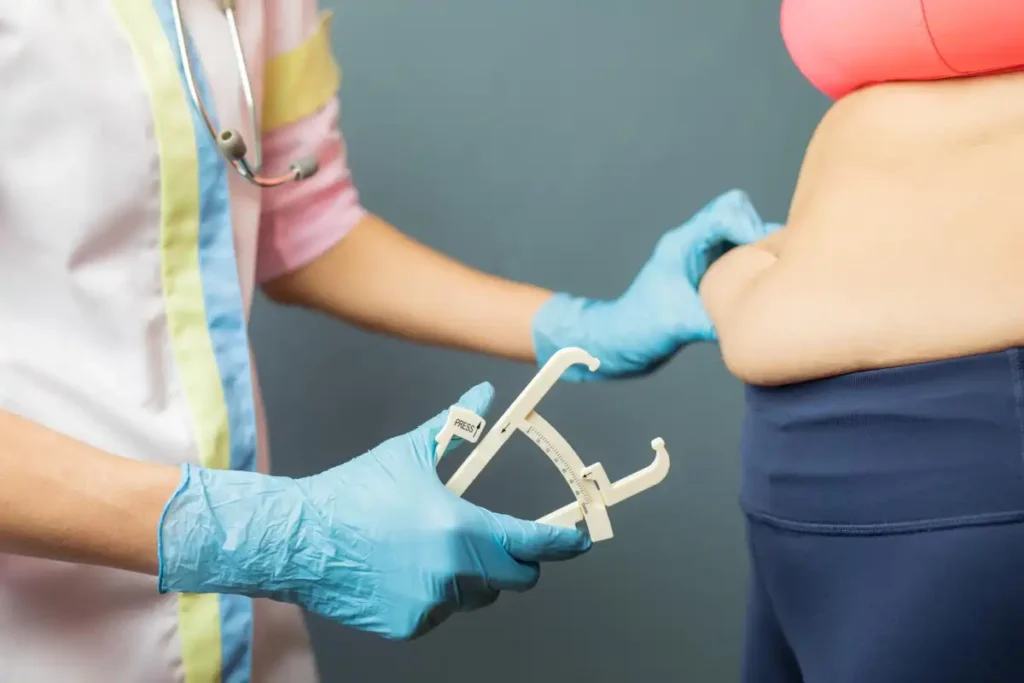
- Comprehensive Pre-Operative Health Evaluation: Detailed medical screening, cardiovascular testing, blood panels, and upper gastrointestinal assessments to confirm surgical readiness.
- Nutritional and Psychological Preparation: Working with specialized dietitians and health advisors to establish healthy eating habits and mental readiness prior to surgery.
- Minimally Invasive Laparoscopic Surgery: Performing the procedure through tiny keyhole abdominal incisions under general anesthesia to minimize tissue trauma.
- Structured Post-Operative Inpatient Monitoring: Monitoring vital signs, fluid balance, and initial healing in a state-of-the-art clinical environment.
- Gradual Dietary Progression and Rehabilitation: Step-by-step transition from clear liquids to purees, soft foods, and eventually solid nutrient-dense meals.
- Ongoing Long-Term Medical Follow-Ups: Continuous progress tracking, vitamin supplementation monitoring, and lifestyle guidance to secure permanent results.
Health Improvements Beyond Weight Reduction
While shedding excess weight alters your physical appearance and boosts overall confidence, the true value of modern bariatric interventions lies in the profound resolution of systemic health conditions. Clinical research confirms that targeted Obesity Surgery yields dramatic, long-lasting improvements across multiple chronic medical issues.
Many patients experience rapid remission of type 2 diabetes within weeks of surgery, often reducing or eliminating their dependency on daily insulin medications long before achieving their final weight goals. Additionally, reducing internal abdominal pressure and systemic inflammation lowers high blood pressure, alleviates obstructive sleep apnea, reduces chronic joint pain, and improves overall cardiovascular endurance.
Essential Post-Operative Care and Lifestyle Maintenance
Surgical intervention serves as a powerful catalyst for change, but long-term success requires active participation and lifestyle adaptation. Establishing consistent post-operative habits preserves your new metabolic balance and keeps your body strong and nourished.
- Prioritize High-Quality Protein: Focus on consuming adequate lean protein sources during every meal to maintain muscle tissue while losing body fat.
- Hydrate Constantly Between Meals: Drink plenty of water throughout the day, avoiding liquids during meals to prevent flushing food through your pouch too quickly.
- Commit to Daily Vitamin Supplementation: Take prescribed bariatric-specific multivitamins, calcium, iron, and vitamin B12 daily to prevent nutritional deficiencies.
- Engage in Regular Physical Movement: Incorporate consistent low-impact exercises like walking, swimming, or light strength training to boost metabolic performance.
Why Professional Medical Supervision Makes the Difference
Choosing to undergo a major health transformation requires complete confidence in your surgical team and clinical facility. Bariatric surgery is a delicate medical art that demands top-tier surgical precision, advanced technology, and compassionate post-operative support.
At Flash Cure Med, we combine world-class surgical expertise with comprehensive, personalized care protocols designed around your specific health profile. Our dedicated clinical team guides you through every step of your journey, ensuring a safe procedure, a comfortable recovery, and permanent weight management success.
Frequently Asked Questions
Is the surgical procedure safe for individuals with existing health conditions?
Yes, modern minimally invasive bariatric surgery maintains an exceptionally high safety record comparable to common routine procedures like gallbladder removals. Every patient undergoes thorough pre-operative medical evaluations to identify and manage existing risks before surgery begins.
How much total weight can I realistically expect to lose following surgery?
Most patients comfortably lose between 60 to 80 percent of their excess body weight within the first 12 to 18 months following their procedure. Total weight loss depends on adherence to dietary guidelines, physical activity levels, and individual metabolic factors.
Will I need to follow a special liquid diet right after my procedure?
Yes, following a multi-phase dietary plan is essential for protecting your internal staple lines while your new stomach pouch heals. You will start with clear liquids, gradually moving to full liquids, pureed foods, soft meals, and eventually solid foods over a period of 4 to 6 weeks.
Can I regain weight years after undergoing the procedure?
While the structural and hormonal changes created during surgery provide lifelong support, significant long-term weight regain can occur if a person consistently overeats, consumes high-calorie sugary liquids, or neglects physical activity. Maintaining regular follow-up visits helps prevent these habits from developing.
Reclaiming your health and unlocking a vibrant, energetic lifestyle is entirely within your reach. By choosing an expert surgical team committed to clinical excellence, you set the foundation for a safe recovery and a healthier future. Contact Flash Cure Med today to schedule your private consultation and take your first definitive step toward permanent health transformation.