
Embarking on a journey toward significant weight loss is one of the most profound decisions an individual can make for their health. When traditional methods have proven insufficient, obesity surgery offers a medically backed path to reclaiming vitality. However, this is not a quick fix; it is a comprehensive process that requires careful planning, medical oversight, and a commitment to lifelong change. Navigating this roadmap requires a clear understanding of the pre-operative requirements to ensure a safe transformation.
A successful outcome depends on the quality of the medical team and the patient’s willingness to follow a strict protocol. Choosing a reputable clinic is the first step in ensuring that your obesity surgery is performed with the highest standards of safety. From metabolic screenings to psychological evaluations, every step is designed to prepare the body for a permanent health reset. This proactive approach minimizes risks and sets the foundation for a vibrant, more energetic future.
Choosing the Right Clinic for Obesity Surgery
The decision to proceed with obesity surgery begins with thorough research and consultation with bariatric specialists. It is essential to understand the different types of procedures, such as gastric bypass or sleeve gastrectomy, to determine which best fits your metabolic profile. A reliable clinic will provide transparent information about the benefits and risks associated with each method. This initial phase is about building trust and clarity between the patient and the healthcare provider.
During the consultation, medical history is meticulously reviewed to ensure the patient is a viable candidate for the procedure. This involves assessing co-morbidities like type 2 diabetes or hypertension, which obesity surgery is often designed to improve. Understanding the physiological impact of the surgery helps patients set realistic expectations for their weight loss timeline. It is a collaborative effort that transforms the patient into an active participant in their healing journey.
Preparing Your Body and Mind for Change
Physical preparation often involves a specific pre-operative diet designed to shrink the liver and reduce surgical complications. This stage is a critical test of the patient’s discipline before undergoing obesity surgery. Adhering to these guidelines ensures that the internal environment is optimized for surgical precision and rapid recovery. It is also a time to begin incorporating light physical activity to boost cardiovascular health.
Psychological readiness is equally important, as the rapid change in body image can be overwhelming. Many clinics offer counseling to help patients develop a healthy relationship with food and self-image. Preparing for the “new you” after obesity surgery involves mental exercises to handle social changes and potential plateaus. A strong mental foundation ensures that the patient stays motivated and focused on the goal of long-term wellness and vitality.
The Critical Need for Professional Dental Treatment
One aspect of the roadmap that is often overlooked is the necessity of maintaining oral health throughout the transformation. Significant weight loss can alter the body’s chemistry, sometimes leading to changes in saliva pH or nutrient absorption. Scheduling a dental treatment before and after surgery is vital to monitor for signs of enamel erosion or gum sensitivity. Ensuring your mouth is healthy prevents unforeseen complications during your recovery process.
Furthermore, post-operative dietary changes, such as a temporary liquid or soft-food diet, can impact how plaque accumulates on the teeth. A professional dental treatment helps manage these shifts, providing deep cleanings that home care cannot achieve. Protecting your smile is an essential part of the holistic transformation. As your body becomes leaner and healthier, your dental health should reflect that same standard of excellence and care.
Precision Monitoring with Advanced Dental Implements
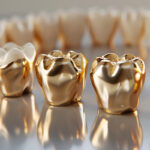
Modern clinics utilize high-tech dental implements to provide the most accurate diagnostics for patients going through metabolic changes. Digital imaging and specialized scanners allow dentists to detect mineral loss in the teeth that might result from nutritional shifts. These dental implements ensure that any restorative work, such as crowns or fillings, is executed with microscopic precision. This technology-driven approach is a hallmark of a clinic that values patient safety.
The use of advanced dental implements also makes the experience more comfortable for the patient. Procedures that used to be time-consuming are now streamlined, allowing for efficient care that fits into a busy post-operative schedule. When a clinic invests in the latest dental implements, it demonstrates a commitment to the highest level of clinical accuracy. This ensures that your smile remains as robust as your new heart and lungs throughout your journey.
Nutritional Guidelines and Bone Health Post-Operation
Following obesity surgery, the digestive system undergoes a massive change in how it processes nutrients. Patients must prioritize high-protein meals and specific vitamin supplements to prevent deficiencies that could affect bone and tooth density. Following a strict nutritional roadmap is the only way to ensure that weight loss is both safe and permanent. This discipline is the “fuel” that keeps the metabolic engine running efficiently during recovery.
Hydration is another key component, though it must be managed carefully to avoid discomfort. Consistent water intake supports kidney function and keeps the oral tissues hydrated, which is essential for gum health. Combining these dietary rules with regular dental treatment ensures that your body is receiving the structural support it needs. It is a comprehensive effort that addresses the body’s requirements from the inside out, leading to total health restoration.
Long-Term Success and Lifestyle Maintenance
Long-term success is measured by the patient’s health years after the initial obesity surgery. This requires consistent follow-up appointments with bariatric surgeons, nutritionists, and dental professionals. A multi-disciplinary approach ensures that every aspect of the patient’s well-being is monitored and optimized. Excellence in care means never settling for “good enough” but striving for optimal metabolic health at every stage of life.
Maintaining a regular dental treatment schedule and using high-quality oral products are part of this long-term maintenance. As the body continues to adapt to its new weight, the health of the jawbone and teeth must be protected. Utilizing the best dental implements for annual checkups ensures that your smile remains a permanent asset. This commitment to total body health is what turns a medical procedure into a lifetime of success and happiness.
Conclusion
The roadmap to a healthier future through obesity surgery is a detailed and rewarding path that requires dedication and expert guidance. It is a holistic transformation that improves metabolic function, cardiovascular health, and self-esteem. Integral to this journey is the maintenance of oral health through regular dental treatment and the use of advanced dental implements. By addressing the needs of the entire body, patients can ensure that their weight loss is safe, sustainable, and life-enhancing. Choosing a path of excellence means prioritizing every aspect of your health, from your digestive system to your smile. This comprehensive approach is the most effective way to reclaim your vitality and live a longer, more active life. Your future self will thank you for the disciplined steps you take today toward a permanent and vibrant health restoration.
Frequently Asked Questions
1. What are the first steps when considering obesity surgery?
The first steps involve thorough research, choosing a reputable clinic, and scheduling a consultation with a bariatric specialist to assess your metabolic health and candidacy.
2. Can obesity surgery affect my teeth and gums?
Yes, changes in nutrient absorption and potential acid reflux can impact enamel. Regular dental treatment is essential to monitor and protect your oral health during weight loss.
3. How do modern dental implements help post-op patients?
Advanced dental implements provide precise diagnostics to detect early mineral loss or structural changes, ensuring that any dental work is anatomically perfect and durable.
4. Is there a specific diet I must follow before the procedure?
Most surgeons require a high-protein, low-calorie liquid diet for two weeks prior to surgery to reduce liver size and prepare the body for the operation.
5. How do I ensure my weight loss is permanent?
Permanent success is achieved through lifelong nutritional discipline, regular physical activity, and consistent follow-up appointments with your entire medical and dental team.