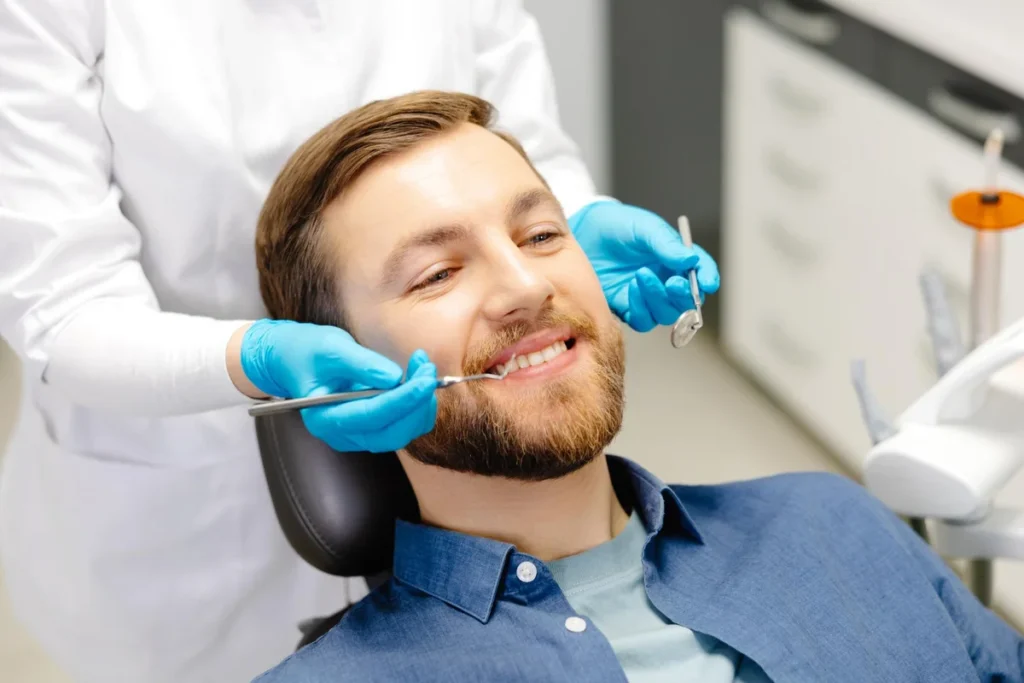
Deciding on the right dental treatment can be a major turning point on your journey toward better confidence and oral wellness.
Whether you want a dazzling Hollywood makeover or need to restore structural function, modern dentistry offers customized solutions for everyone.
Navigating these various paths requires matching your daily lifestyle needs with the proper clinical expertise.
Table of Contents
- 1. Cosmetic vs. Restorative: Mapping Your Smile Goals
- 2. The Hollywood Smile: Aesthetics and Veneers
- 3. Dental Implants: Restoring Function and Bone Health
- 4. Treatment Comparison Matrix
- 5. Making the Choice: Consultations and Digital Smile Design
- 6. Frequently Asked Questions (FAQ)
1. Cosmetic vs. Restorative: Mapping Your Smile Goals
Selecting the right dental treatment begins with understanding whether your needs are strictly cosmetic or restorative.
According to clinical overviews from the Cleveland Clinic, cosmetic dentistry focuses primary attention on color, alignment, shape, and overall facial harmony.
Restorative dentistry, on the other hand, corrects structural deficiencies, decay, and tooth loss to ensure normal chewing and speaking functions.
Knowing which category fits your medical background will streamline your consultation process significantly.
2. The Hollywood Smile: Aesthetics and Veneers
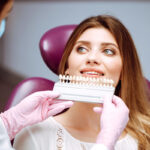
If your principal goal is correcting minor chips, small gaps, or stubborn stains, the right dental treatment might be a Hollywood Smile powered by veneers.
Veneers are thin, medical-grade porcelain or ceramic shells bonded directly to the front surface of your visible teeth.
This approach provides a highly symmetrical, bright smile in as few as two to three clinical appointments.
Because it is minimally invasive, it is the most popular treatment choice for patients looking for rapid, stunning aesthetic makeovers.
3. Dental Implants: Restoring Function and Bone Health
However, if you are coping with missing teeth, the right dental treatment will target structural restoration first.
A dental implant involves surgically placing a titanium post into the jawbone, acting as a stable root for a customized crown.
The American Dental Association emphasizes that implants prevent jawbone resorption, protecting your overall facial structure from sagging.
While the healing process can take several months, implants provide a highly durable, lifelong solution that mimics natural teeth closely.
To learn more about modern diagnostic devices supporting these surgical choices, you can read our guide on advanced medical implements.
4. Treatment Comparison Matrix
This matrix outlines how to pinpoint the right dental treatment based on structural and aesthetic criteria.
| Feature | Hollywood Smile (Veneers) | Dental Implants |
|---|---|---|
| Primary Focus | Aesthetics, surface color, and alignment | Tooth replacement and structural repair |
| Surgical Requirement | None (minimally invasive surface prep) | Yes (requires minor jaw bone surgery) |
| Treatment Duration | Typically completed in 2 to 3 visits | Can take 3 to 6 months for bone fusion |
| Lifespan | 10 to 15 years with proper oral hygiene | Can last a lifetime with clinical maintenance |
5. Making the Choice: Consultations and Digital Smile Design
Consulting a skilled practitioner is the ultimate key to choosing the right dental treatment for your lifestyle.
Many modern clinics utilize Digital Smile Design (DSD) to show you digital mockups of your face with potential treatment outcomes.
This collaborative tool lets you preview the final visual outcome, helping you make informed, confident choices before any physical adjustments begin.
6. Frequently Asked Questions (FAQ)
A1: Schedule a thorough consultation where your dentist can examine your overall oral health. If your teeth are structurally sound but discolored or slightly crooked, veneers are excellent; if you have missing teeth, implants are crucial.
A2: Dental implants are widely considered the gold standard for tooth replacement. They fuse directly with your jawbone, providing unmatched stability and preserving your natural facial structure.
A3: Restorative options like implants or crowns are often partially covered by health or dental insurance policies. Purely cosmetic treatments, such as porcelain veneers for a Hollywood Smile, usually require out-of-pocket payments.